
Last updated September 24, 2026
Free in-home measure and quote - PGT, CGI and CWS impact lines compared on your actual openings, style by style
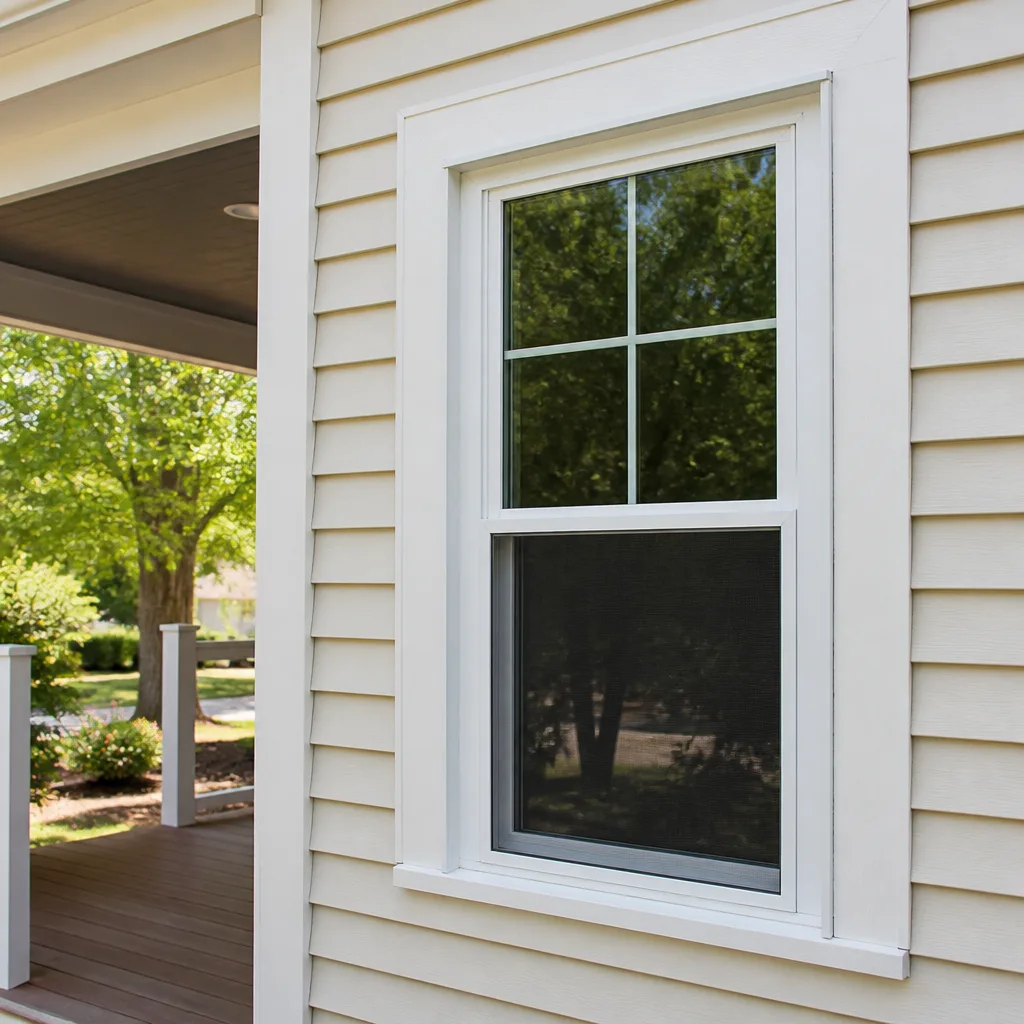
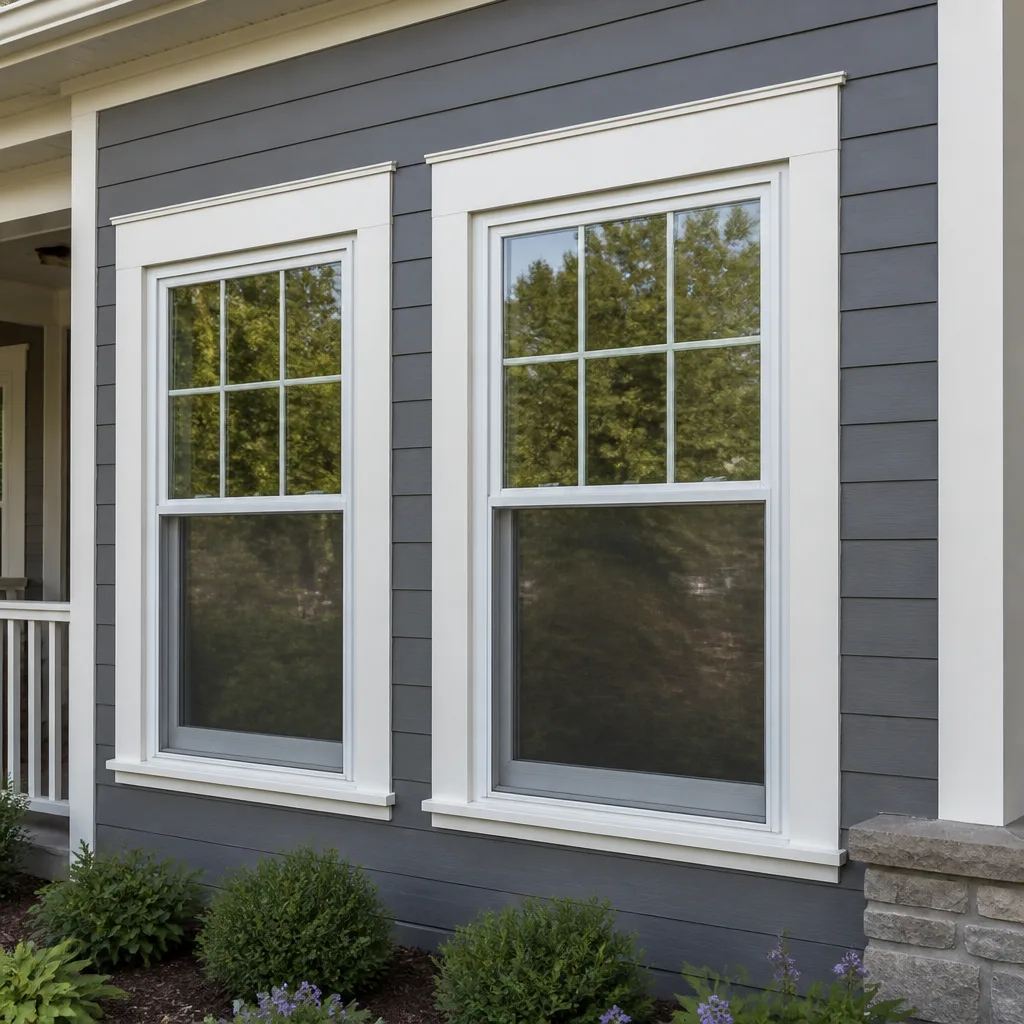
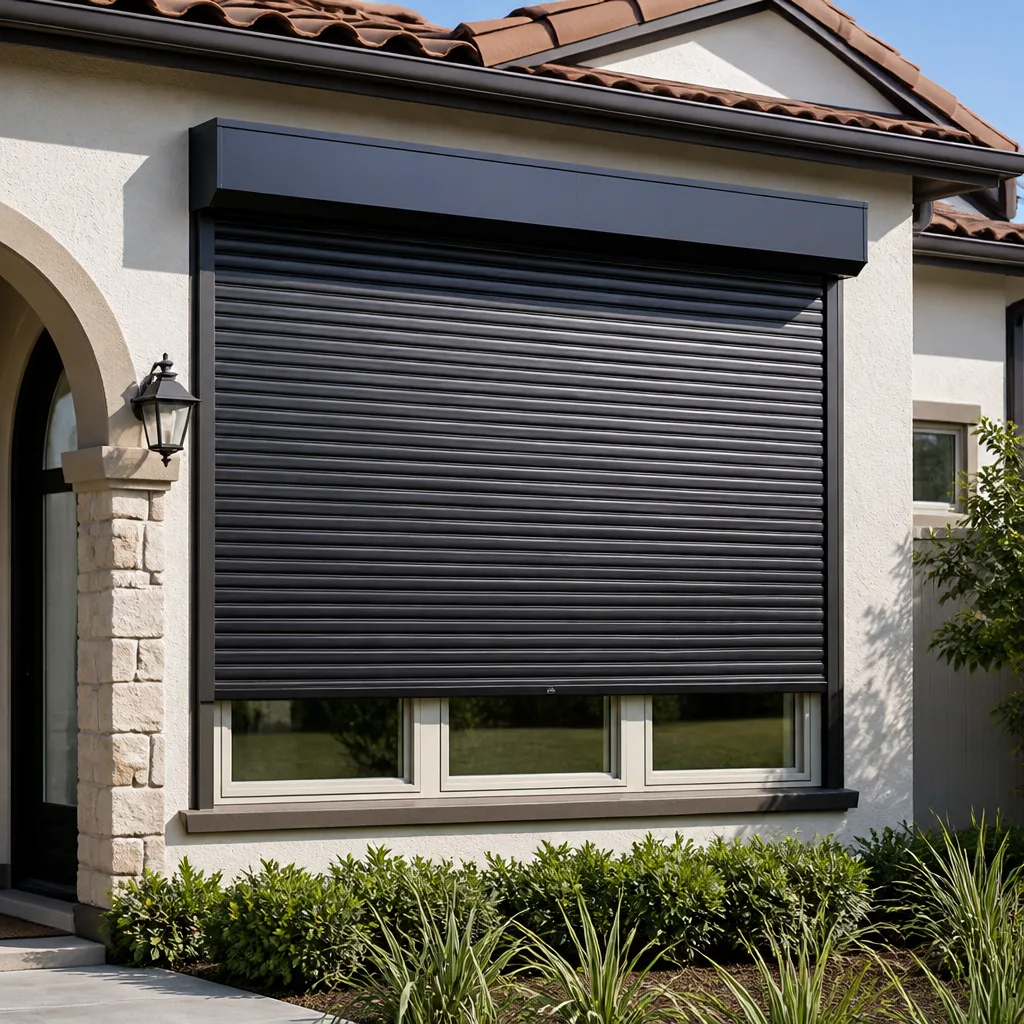

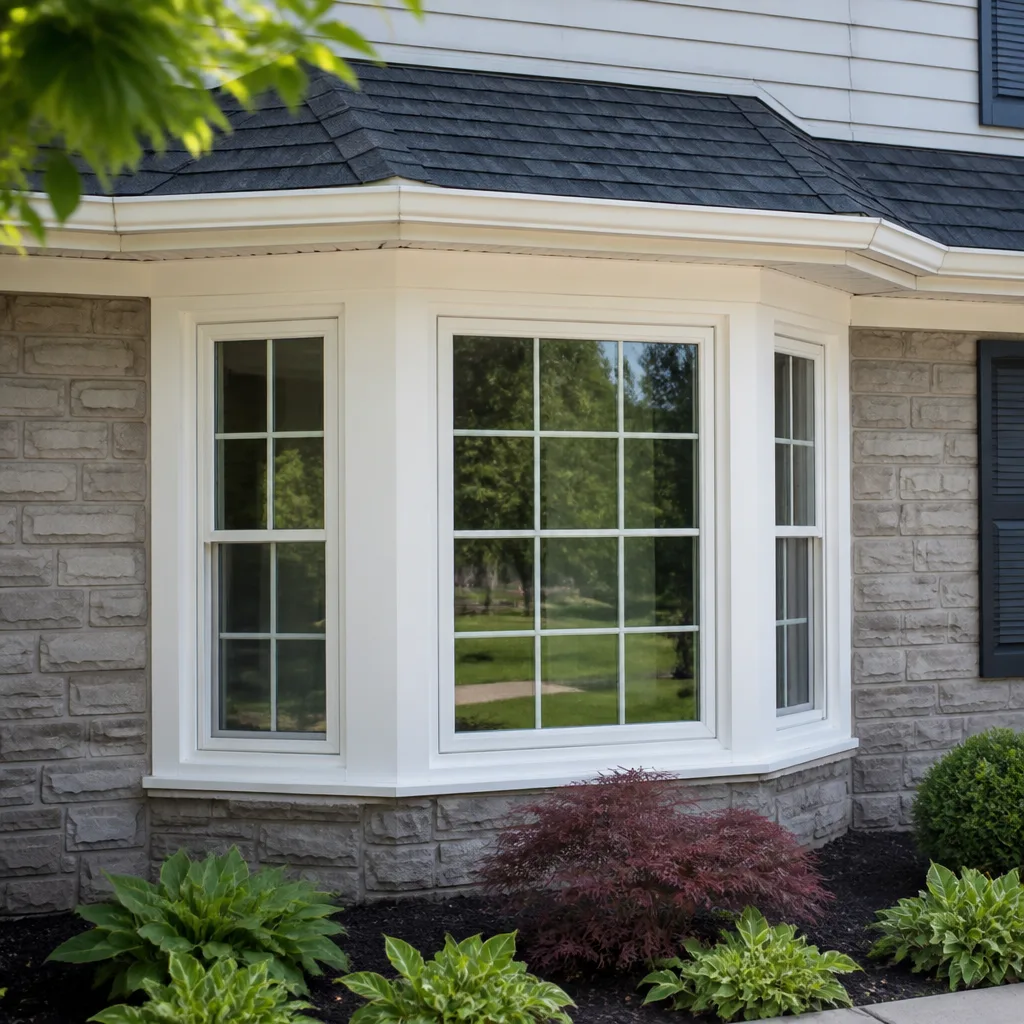


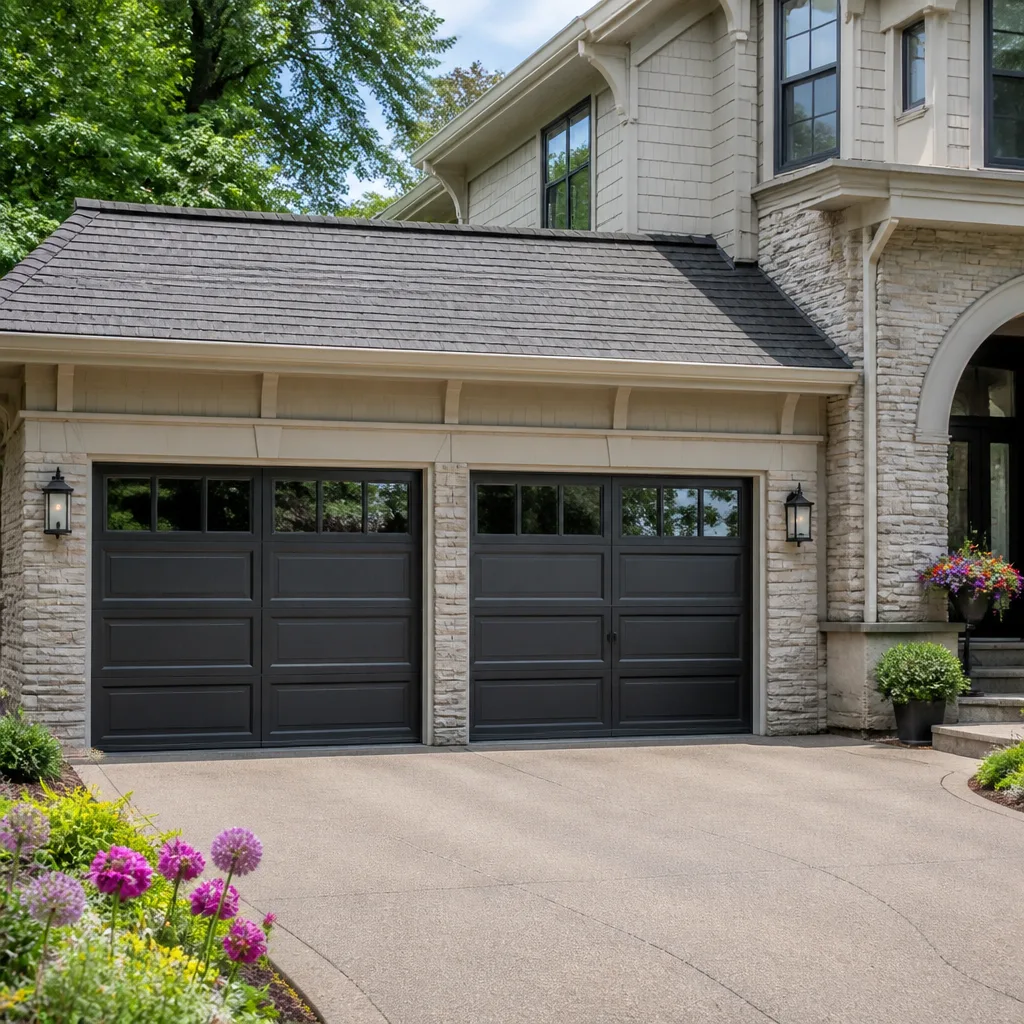
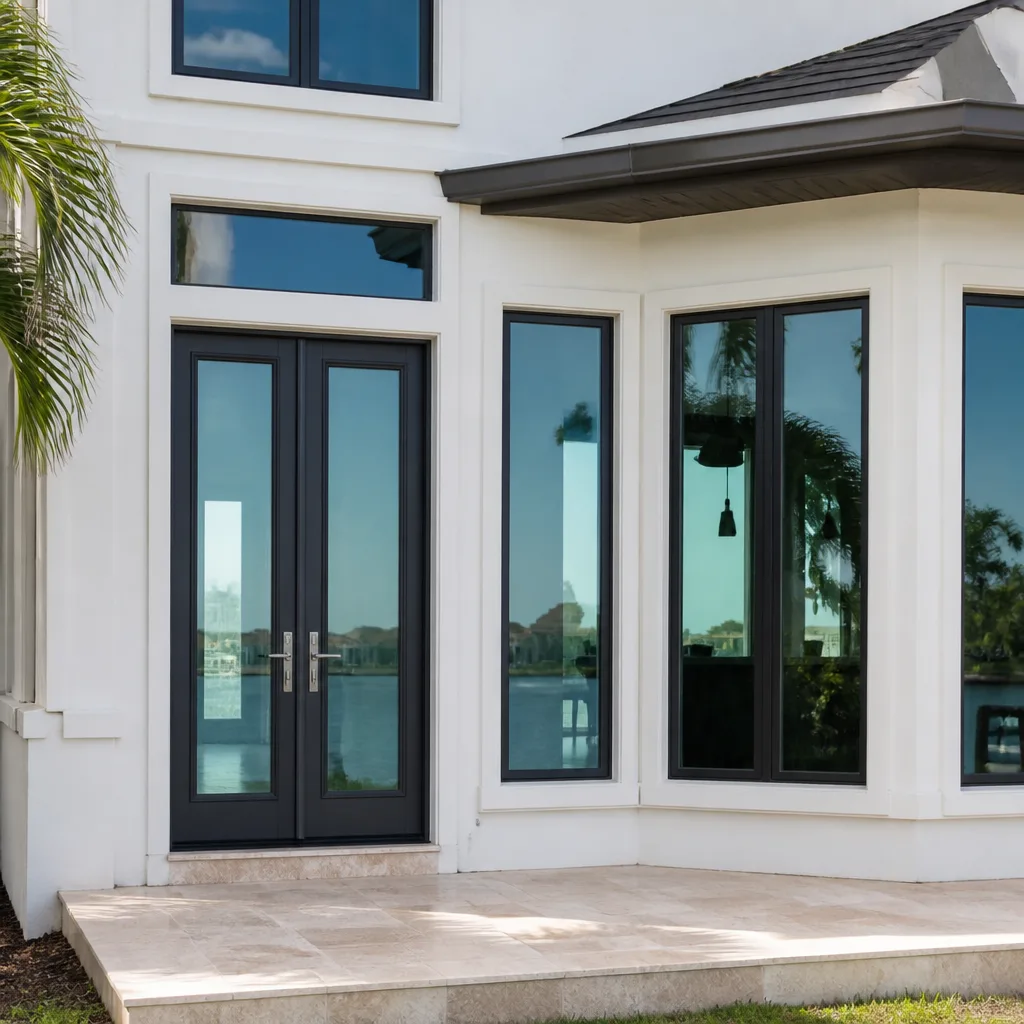

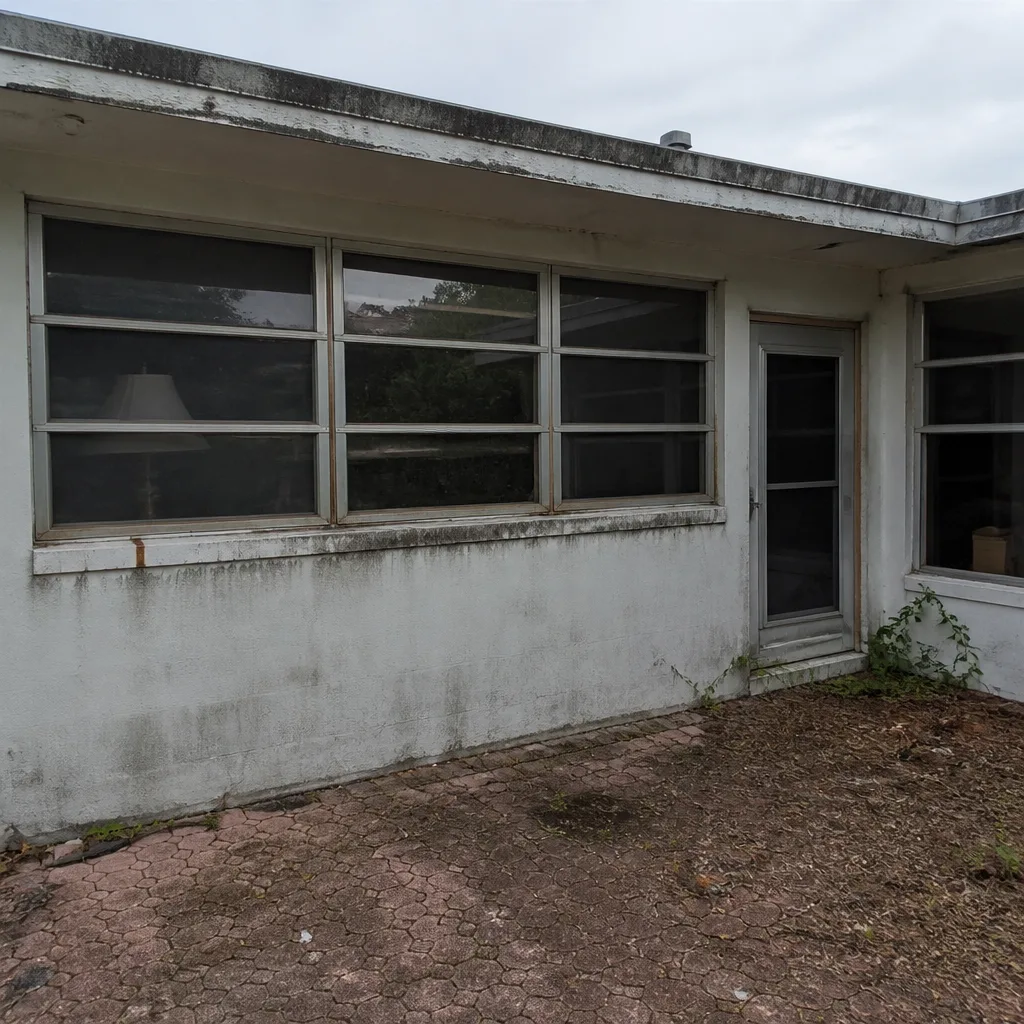 Before
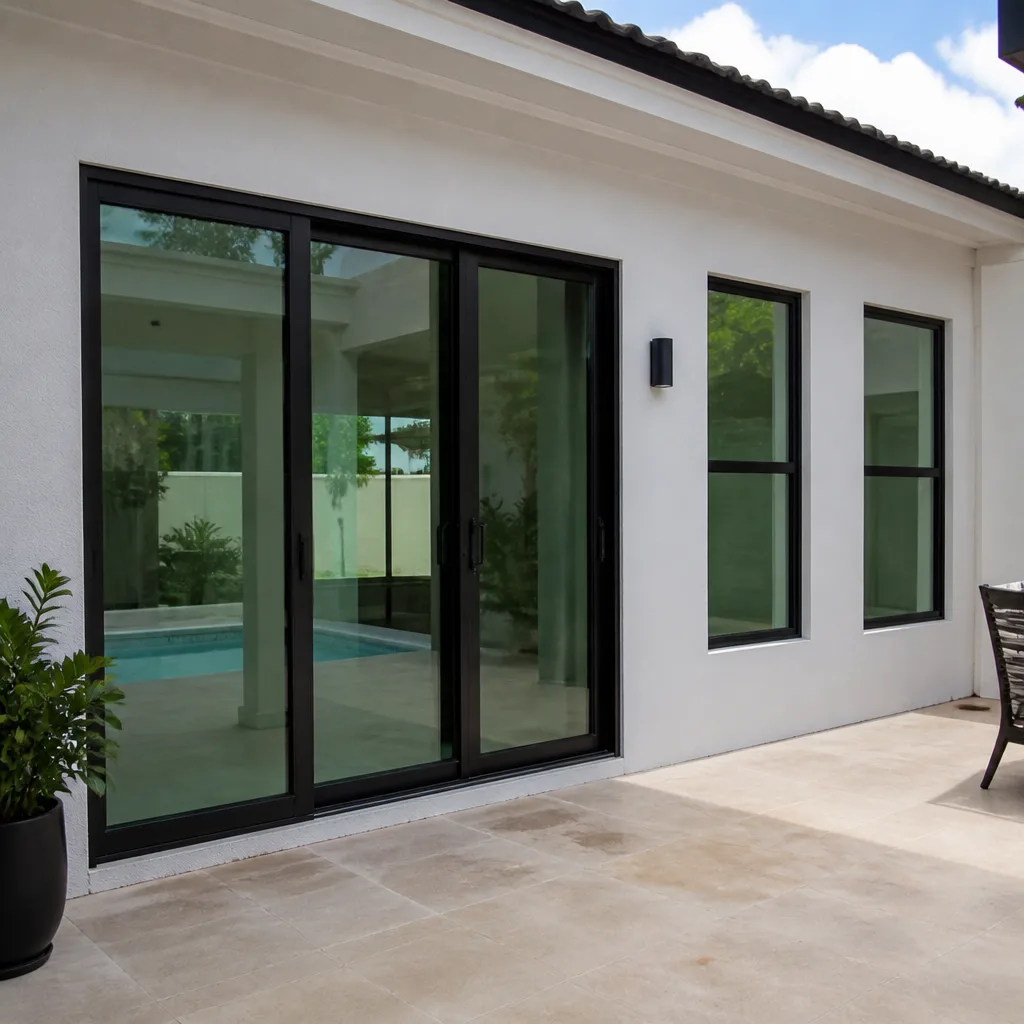 After
After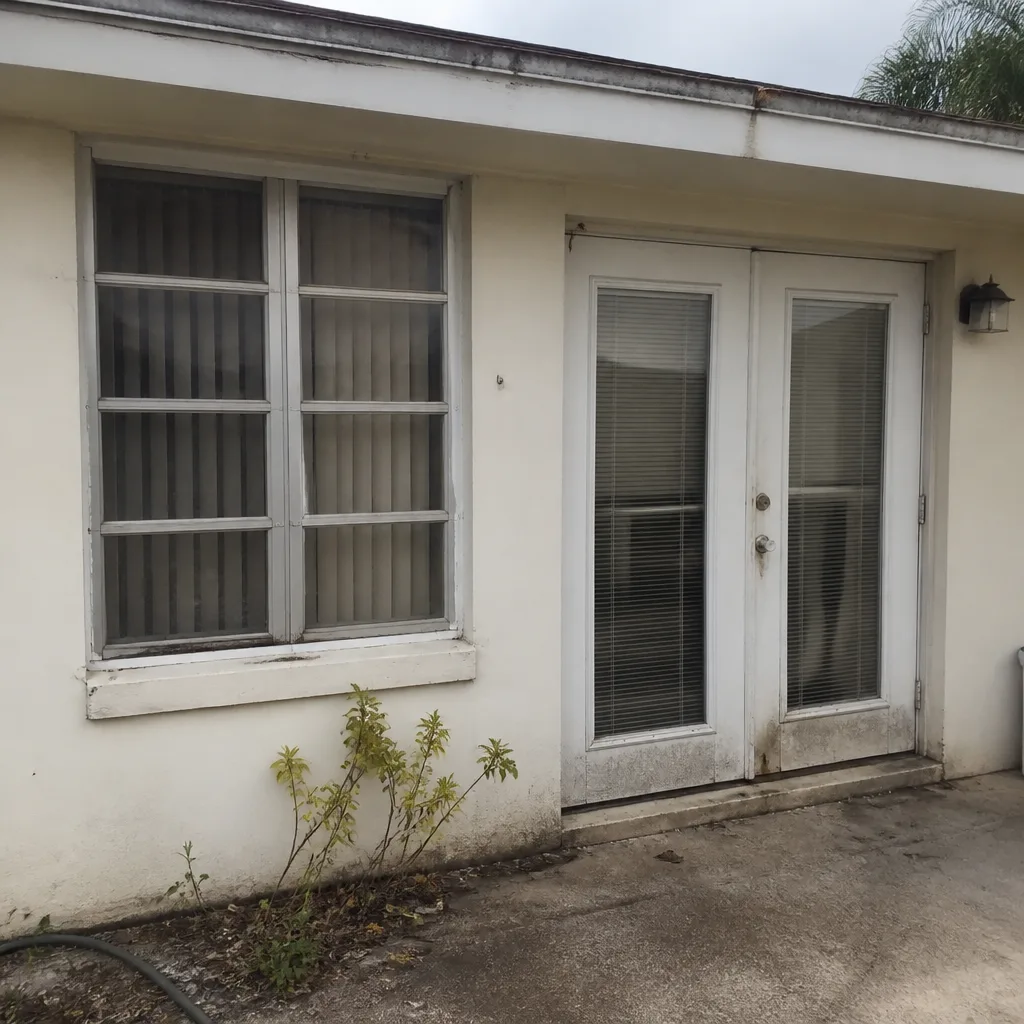 Before
 After
After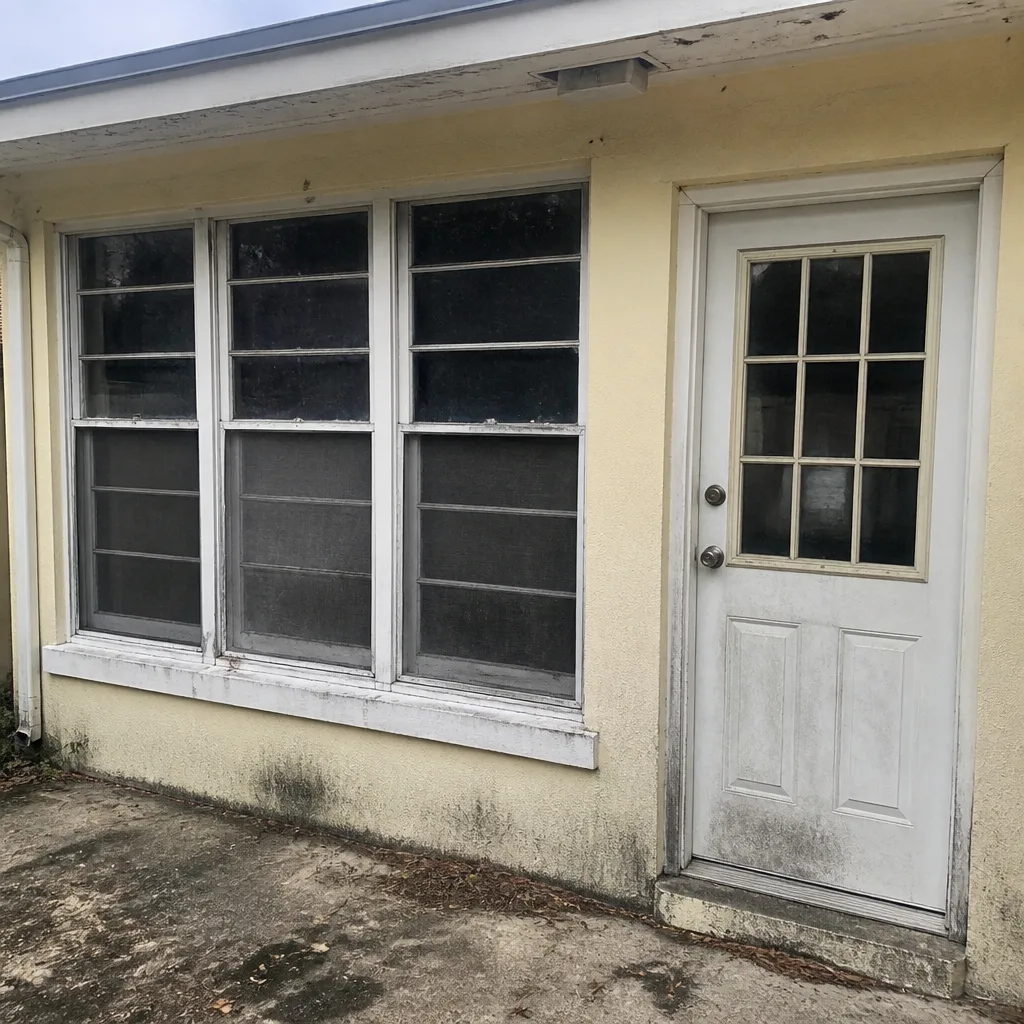 Before
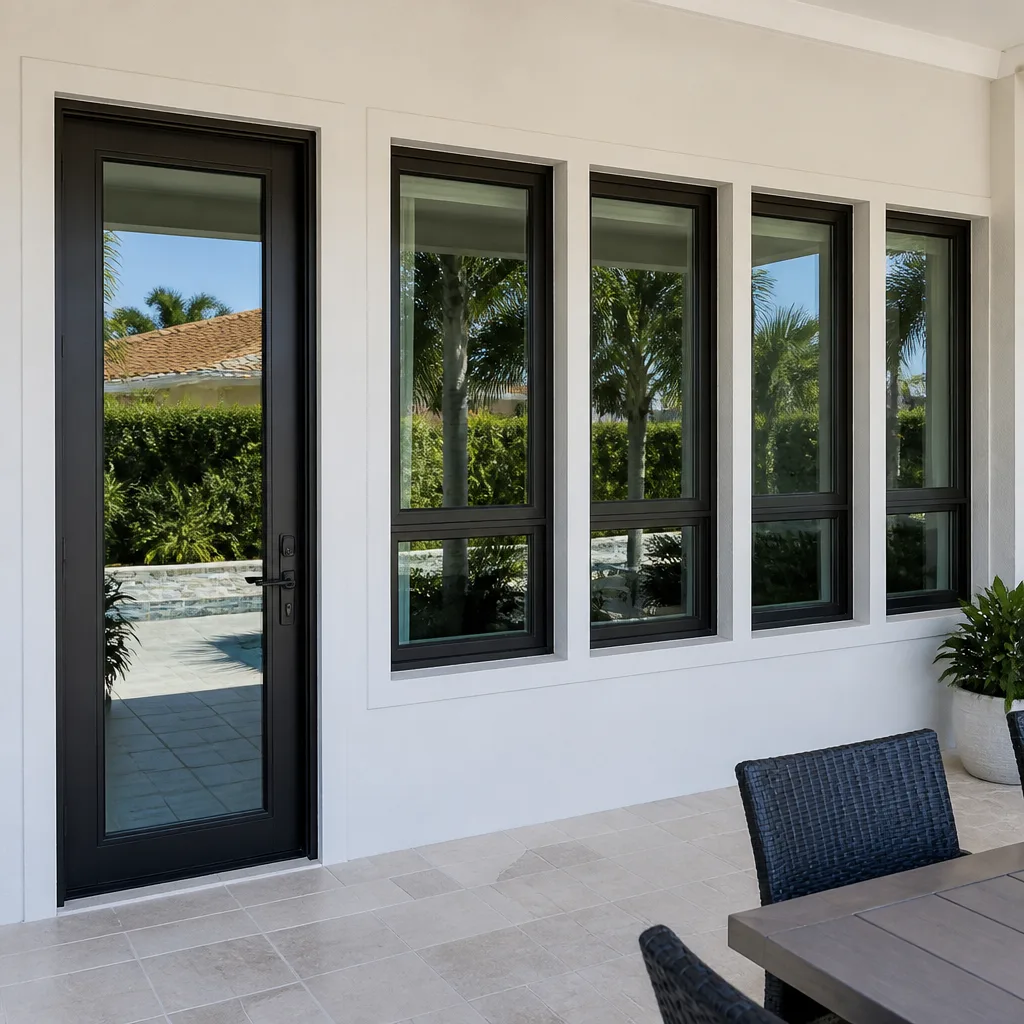 After
AfterSeasonal Windows & Doors Care for Margate: Year-Round Homeowner’s Guide
The dry-season northeast trade winds that make Margate winters pleasant from November through February are carrying salt particulate at concentrations high enough to oxidize uncoated aluminum hardware within 18 months. That oxidation accelerates in January, not August, because lower humidity means salt residue stays on the surface longer without washing off. In this guide, you’ll learn how Margate’s actual two-season climate calendar - wet season versus dry season, not four equal quarters - determines when to inspect, clean, lubricate, and document the condition of every window and door in your home. The maintenance that protects a PGT impact window in Coral Springs will fail in Margate if it ignores salt timing.
Quick Answer
Seasonal window and door care in Margate means preparing for hurricane season before June 1, inspecting for water intrusion after September storms, removing salt deposits during the dry season from November through February, and testing hardware before summer humidity swells frames. A homeowner who follows this climate-based calendar - or uses our Window Installation Maintenance Checklist for Margate Homeowners - spends roughly 4-6 hours per year on maintenance and catches most failures before they require full replacement.
Table of Contents
- June Pre-Season Protocol: The Checklist Before Hurricane Season
- September Storm Recovery: Reading Your Frames for Hidden Damage
- November Salt-Deposit Removal: Cleaning Without Stripping Protective Finishes
- February Hardware Audit: Preparing for Humidity Swell
- Documenting Seasonal Care: Building Your Evidence File
- Product-Specific Care by Frame Material and Glazing Type
- Common Mistakes to Avoid
- When to Call a Professional
- Frequently Asked Questions
 Before
 After
AfterJune Pre-Season Protocol: The Checklist Before Hurricane Season
Margate’s wet season begins in earnest in June, and the National Hurricane Center’s Atlantic outlook drops the same week. The homeowners who fare best are not the ones who panic-buy plywood on August 20. They are the ones who run a three-part checklist in the last week of May.
1. Impact Hardware Function Test
If you have impact-rated windows or doors - PGT, CGI, or similar - the locking hardware is engineered to withstand positive and negative pressure cycling. That hardware still needs to move freely. We find that multipoint lock systems in Margate homes begin to show corrosion at the striker plates after two wet seasons if they have not been cycled monthly.
Test every lock, latch, and deadbolt. Open and close each operable unit fully. The handle should rotate with consistent resistance; if you feel grit, binding, or a “catch” at any point in the rotation, the internal mechanism needs cleaning and lubrication before storm season. A lock that binds in May will not seal under pressure in September.
2. Threshold Seal Inspection
Threshold seals on sliding glass doors and hinged patio doors compress over time. In Margate, UV exposure and foot traffic accelerate this. Look for:
- Cracking or crazing in rubber or vinyl bulb seals
- Compression set - the seal stays flattened even when the door is open
- Gap light visible beneath the closed door in dark conditions
A failed threshold seal admits wind-driven rain first, then insects, then the mold that follows standing water. Replacement seals run $15-$45 for standard widths; full threshold replacement on a door installation in Margate starts around $280 when the substrate has rotted.
3. Storm Panel or Accordion Shutter Track Clearing
For homes with combination systems - impact glass plus auxiliary protection - the tracks for storm panels or accordion shutters collect debris year-round. Margate’s oak and gumbo limbo trees drop leaves through May. A single leaf compressed into a track becomes pulp in June rain, then dries to a cement-like mass that jams the shutter.
Remove all debris. Run a dry cloth through the track, then apply a light silicone spray to the interior surfaces. Do not use WD-40 or oil-based lubricants; they attract dust and gum up in heat.
Cost of skipping this step: a shutter that will not deploy when a watch is issued, or a track that bends when forced. We have replaced accordion tracks in Margate’s Palm Springs neighborhood where the homeowner used a screwdriver to clear a jam and deformed the guide rail.
September Storm Recovery: Reading Your Frames for Hidden Damage

September is Margate’s statistical peak for tropical storm and hurricane activity. Even a near-miss brings sustained winds above 40 mph and rainfall totals that test every opening. The inspection you perform after the storm passes - not during, not a week later, but within 48 hours - determines whether you catch damage inside warranty or pay for it yourself.
Head Flashing Versus Sill: Two Different Failure Points
Water intrusion at the head flashing - the top of the window or door frame - indicates a failure in the drainage plane above the opening. The water is entering behind the cladding, running down the wall cavity, and exiting at the window head. This is a wall problem, not a window problem, though the window will rot if the wall stays wet.
Signs: staining or bubbling paint at the top interior frame corners; drywall softening above the window; must odor concentrated at the header.
Water intrusion at the sill - the bottom of the frame - indicates a failure in the window’s own drainage system or the seal between frame and rough opening. This is a window installation problem.
Signs: standing water on the sill after rain; staining at the bottom corners only; wood trim swelling from the bottom up; weep holes blocked with debris or caulked shut by a previous owner.
The repair differs. Head flashing leaks require removal of exterior cladding to inspect the water-resistive barrier and flashing tape. Sill leaks may require frame removal and reinstallation with proper sill pan and back dam. In our window installation in Margate work, we document both conditions with dated photographs for the homeowner’s evidence file.
What to Do Within 48 Hours
- Photograph every interior and exterior surface of every opening before touching anything.
- Run a moisture meter on drywall surrounding any suspected leak - readings above 16% indicate active saturation.
- Clear weep holes with a pipe cleaner or compressed air; do not use wire that can damage the channel.
- Check operable units for frame racking - if the sash no longer seats squarely, wind pressure has twisted the frame.
- Document everything with date-stamped images and notes.
A racked frame from wind pressure is not always visible to the eye. The test: close and lock the unit. If the lock engages but the sash still shifts when you press the handle, the frame has twisted. This unit will not seal against wind-driven rain in the next storm.
November Salt-Deposit Removal: Cleaning Without Stripping Protective Finishes
By November, Margate’s dry season is established. The northeast trades blow at 10-15 mph sustained, carrying salt from the Atlantic and Intracoastal. Homes west of State Road 7 see lower concentrations than those east of US-441, but no Margate address is immune. The salt does its damage now, when humidity drops below 60% and the residue stays crystalline on the surface instead of dissolving.
Aluminum Frames: pH-Neutral Protocol
Anodized and painted aluminum frames - common on PGT and CGI impact products - rely on a conversion coating or fluoropolymer finish for protection. Alkaline cleaners (pH above 9) strip these. Acidic cleaners (pH below 6) attack the aluminum substrate.
Use a pH-neutral cleaner mixed to manufacturer dilution, applied with a soft brush or microfiber mitt. Rinse with fresh water. Dry with a clean microfiber towel. The entire process should take 2-3 minutes per opening.
What we see in Margate: homeowners who skip the dry step, leaving water spots that concentrate salt as they evaporate. Or they use a “marine grade” cleaner without checking pH, stripping the finish and exposing raw aluminum to oxidation within one season.
Vinyl Frames: Separate Protocol
Vinyl (uPVC) frames do not oxidize, but they do degrade. The danger is solvent exposure. Ammonia, bleach, and petroleum distillates - including many “all-purpose” cleaners - embrittle vinyl and cause permanent discoloration.
Clean vinyl with the same pH-neutral solution, but use a softer touch. Vinyl surfaces scratch more easily than aluminum, and scratches become collection points for dirt and salt. Never use a Magic Eraser or abrasive pad on vinyl window frames; we have replaced sashes in Margate’s Carolina Gardens where the homeowner abraded through the UV cap layer.
Why Pressure Washing Is Contraindicated
Pressure washing forces water into weep holes, behind weatherstripping, and through compromised seals at 1,500+ PSI. Even “soft wash” systems at 500 PSI can deform vinyl fins and drive water into the wall cavity. The correct tool is a pump sprayer for cleaner application and a garden hose with trigger nozzle for rinse - low pressure, controlled direction, no forced entry.
For homeowners with second-story openings, the risk of pressure washing from a ladder exceeds any time savings. Window replacement in Margate for water-damaged frames starts around $890 per opening for standard sizes; the “quick wash” that caused it took 20 minutes.
February Hardware Audit: Preparing for Humidity Swell

February in Margate is the driest month, with relative humidity averaging 68%. By June, that figure reaches 76%. The 8-point swing matters because wood window subframes - still present in many pre-2000 Margate homes, and in some new construction with wood-clad products - absorb moisture from the air and swell. A sash that moves freely in February may bind in July.
Multipoint Lock Lubrication
Multipoint locks have three or more locking points along the frame edge. Each point contains a cam, a striker, and a spring. In Margate’s humidity, the lubricant breaks down and the springs corrode.
The correct lubricant is a dry PTFE (Teflon) spray or a lithium grease rated for marine exposure. Apply sparingly to the cam faces and striker plates. Cycle the lock ten times to distribute. Wipe excess; over-lubrication attracts dust that forms an abrasive paste.
What we find in February service calls: locks lubricated with graphite powder that has caked into black sludge, or with 3-in-1 oil that has varnished in heat. Both require disassembly to clean. A 10-minute preventive lubrication in February avoids a $180 service call in August.
Egress Window Testing
Every bedroom in Margate must have an operable egress opening per Florida Building Code. The test is simple: open the window fully from inside, without tools, in under 5 seconds. If a painted-shut sash, swollen frame, or failed balance prevents this, the opening fails code and endangers occupants.
Test in February, when the frame is at its smallest dimension. If the sash sticks now, it will not open in June humidity. The repair may be as minor as sash planing or balance replacement, or as major as full window installation in Margate for a non-egress-compliant unit.
Track and Roller Inspection for Sliders
Sliding glass door rollers carry 80-120 pounds of sash. In Margate’s sand and salt environment, the bearings degrade. The February test: open the door with one finger. If it requires shoulder pressure, the rollers are failing. Replace them before the track wears to a concave profile; track replacement requires door removal and costs 3-4 times roller replacement alone.
Documenting Seasonal Care: Building Your Evidence File
Every window and door manufacturer - PGT, CGI, Therma-Tru, ViewLux - conditions its warranty on evidence of proper maintenance. The homeowner who cannot produce that evidence pays for failures that should have been covered.
Sightline’s Haven Standard requires that we leave a documented photo record of every installation we complete. We recommend homeowners extend that practice to their seasonal maintenance.
The Minimum Documentation Set
For each seasonal inspection, create a folder with:
- Date-stamped wide shot of each opening, exterior and interior
- Close-up of hardware condition, including any corrosion or wear
- Close-up of seal condition at threshold and jamb
- Moisture meter reading on surrounding drywall (September inspection)
- Written note of any action taken: “Lubricated multipoint lock with PTFE spray, cycled 10 times, operates smoothly”
Store these in cloud storage with automatic backup. A failed drive in October, three weeks after a hurricane, destroys your evidence when you need it most.
Linking Documentation to Warranty Claims
When a frame fails within warranty, the manufacturer’s first response is to request maintenance records. The homeowner with dated photographs and written notes has a defensible position. The homeowner without documentation receives a denial letter citing “improper maintenance” or “failure to mitigate.”
We have assisted Margate homeowners in warranty disputes where our installation photo record - part of Haven Clause 4, Evidence on Every Job - proved that the failure originated in manufacturing, not installation or neglect. The homeowner’s own seasonal documentation would have strengthened the case further.
Product-Specific Care by Frame Material and Glazing Type
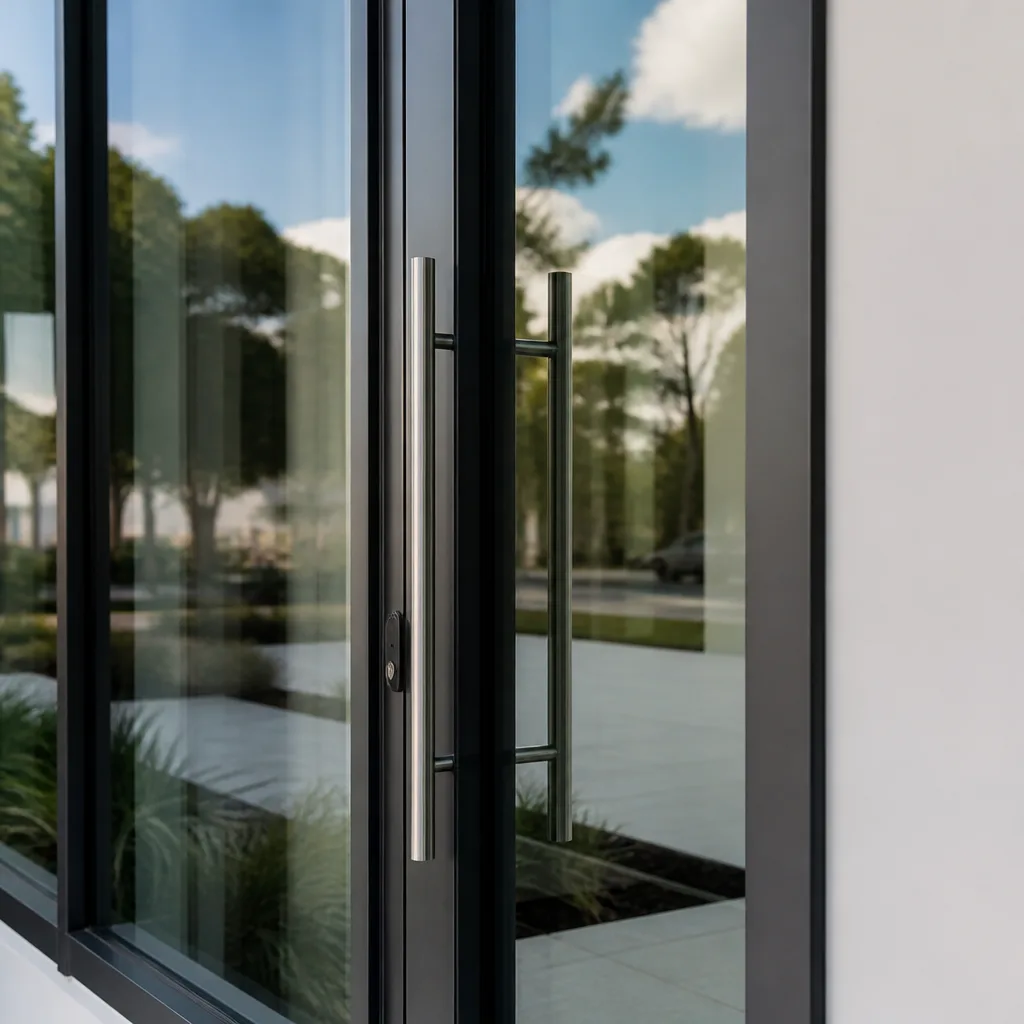
Not every window or door in a Margate home shares the same maintenance needs. The care protocol for a PGT WinGuard aluminum impact window differs from that for a Therma-Tru fiberglass entry door with decorative glass. Match the care to the product.
Impact-Rated Windows and Doors (PGT, CGI, CWS, ES Windows)
Impact products use laminated glass - two lites bonded with a polyvinyl butyral (PVB) or ionoplast interlayer. The frame and the glass are tested as a system; you cannot replace impact glass with standard glass and maintain the rating.
Care specifics:
- Inspect the laminate edge for delamination - a white or cloudy line at the glass perimeter. This indicates moisture intrusion into the interlayer and requires immediate replacement.
- Check impact-rated labels for legibility. Faded or missing labels complicate insurance claims and resale inspections.
- Never apply aftermarket film to impact glass; it voids the Miami-Dade Notice of Acceptance and the manufacturer’s warranty.
Energy-Efficient Glazing (ECO Window Systems, ViewLux)
Low-E coatings and argon gas fills improve thermal performance but add failure modes. The Low-E surface is interior to the sealed unit; you cannot damage it with normal cleaning. But you can damage the seal.
If you see fogging between lites - not on the surface, but inside the insulated glass unit (IGU) - the seal has failed and the argon has escaped. The window still functions, but its U-factor and SHGC (solar heat gain coefficient) revert to single-pane performance. In Margate’s cooling-dominated climate, this raises air conditioning load measurably. Replace the IGU or the sash; IGU replacement runs $280-$520 for standard sizes.
Entry Doors with Decorative Glass (Therma-Tru, ViewLux)
Decorative glass units use caming (lead, zinc, or brass) to join individual lites. The caming is soldered or fused, not sealed, and can develop hairline cracks in vibration or thermal cycling. Inspect caming lines annually for gaps that admit water. The repair is glass unit replacement; caming cannot be field-repaired.
Fiberglass door skins are impervious to rot but can delaminate if water enters at the lockset or viewer bore. Ensure all hardware gaskets are intact and the door bottom sweep seals against the threshold.
Garage Doors (Impact-Rated and Standard)
Impact-rated garage doors use reinforced tracks and heavy-gauge curtain sections. The spring system - torsion or extension - is under lethal tension. We do not recommend homeowner adjustment or repair of garage door springs; the stored energy can cause serious injury or death. Visual inspection of cables, rollers, and track alignment is appropriate; any work on the spring system should be performed by a trained technician. For additional guidance, explore more guides & resources on our blog.
Check the auto-reverse function monthly. Place a 2×4 flat on the threshold; the door should reverse on contact. If it does not, the opener force setting requires adjustment. This is a safety-critical function, not a maintenance preference.
Common Mistakes to Avoid
- Using bleach on aluminum or vinyl frames. Bleach (sodium hypochlorite, pH ~11) oxidizes aluminum finishes and embrittles vinyl. The white “clean” look is actually surface damage that accelerates degradation.
- Caulking weep holes shut. Weep holes are engineered drainage paths, not manufacturing defects. Blocking them traps water in the frame and voids most manufacturer warranties. We see this most often in Margate’s older subdivisions where a previous owner “fixed” a leak by sealing every opening.
- Pressure washing from the top down. Water directed downward at the head flashing drives into the wall cavity. Always wash from bottom to top, with the spray angled to deflect water away from the opening.
- Ignoring the dry season. Salt damage is invisible until it is catastrophic. The homeowner who waits for visible corrosion in August has already lost the hardware; January cleaning prevents the failure.
- Mixing lubricant types. Graphite, lithium grease, and PTFE each have specific applications. Graphite in a marine environment cakes; lithium in high-dust areas grinds. Match the lubricant to the exposure, or call for specification.
- Skipping documentation because “nothing looks wrong.” Warranty claims require evidence of maintenance, not just absence of neglect. The photo you did not take in February is the evidence you need in October.
- Assuming impact rating equals maintenance-free. Impact windows survive debris impact; they do not survive neglected hardware corrosion, seal compression set, or frame racking. The rating tests a specific event, not a lifetime of neglect.
When to Call a Professional
Some conditions exceed homeowner maintenance and require trained assessment. Call a professional when you find: fogging between glass lites indicating seal failure; frame racking or distortion from wind pressure; water intrusion at the head flashing that suggests wall-system failure; garage door spring or cable wear; or any condition that affects egress compliance or safety function.
Sightline Windows & Doors Margate offers free estimates in Margate. Our measured survey produces a written scope and price before any work begins, and every completed job leaves a documented photo record under the Haven Standard. Call (754) 254-7558 to schedule your assessment.
Frequently Asked Questions
Professional seasonal maintenance for a typical Margate home with 12-15 openings runs $180-$340 for inspection, cleaning, and hardware lubrication. Repairs identified during maintenance - seal replacement, balance repair, roller replacement - are quoted separately with written prices before work starts. Call (754) 254-7558 for an exact quote; estimates are free.
No. Haven Clause 1 requires that the measured survey and the written quote be the same document. If we identify additional needs during service, we stop, document, and provide a revised written scope before proceeding. The price does not change after work begins unless you approve a written change order.
Clean exterior frames every 4-6 weeks during the dry season (November through February), when salt accumulation is highest and humidity is lowest. During the wet season, rain provides partial rinsing; extend to every 8-10 weeks unless you are within 2 miles of the Intracoastal, where monthly cleaning is prudent.
Routine maintenance - cleaning, lubrication, seal replacement, hardware adjustment - does not require permits in Margate or Broward County. Full frame replacement, changes to egress dimensions, or conversion from standard to impact-rated products do require permits. Sightline pulls all required permits and schedules inspections as part of our installation scope.
Hardware service - lubrication, adjustment, seal replacement - takes 30-60 minutes per opening. Sash or IGU replacement requires 2-3 hours per unit plus curing time for sealants. Full frame replacement is a full-day project for 2-3 openings, with follow-up inspection after sealant cure. We provide a written timeline with every quote.
A competent homeowner can perform cleaning, visual inspection, and basic lubrication. We recommend professional assessment for: second-story access requiring ladders; any condition involving frame distortion or water intrusion; garage door spring or cable systems; and documentation for warranty or insurance purposes. Sightline’s free estimate includes a full condition report you can use for your own maintenance planning or ours.
The Bottom Line

Margate’s climate demands a two-season maintenance calendar, not four. Prepare for hurricane season before June 1 with hardware tests and seal inspections. Inspect for water intrusion within 48 hours of September storms, distinguishing head flashing from sill failures. Remove salt deposits from November through February with pH-neutral cleaners, never pressure washing. Test hardware and egress function in February, before summer humidity swells frames. Document every step with dated photographs. The 4-6 hours spent annually on this calendar prevents the failures that cost $890-$2,400 per opening to remedy, and builds the evidence file that protects your warranty rights.
Written by Sonia Raman, Owner at Sightline Windows & Doors Margate, serving Margate since 2012.