
Last updated September 24, 2026
Free in-home measure and quote - PGT, CGI and CWS impact lines compared on your actual openings, style by style



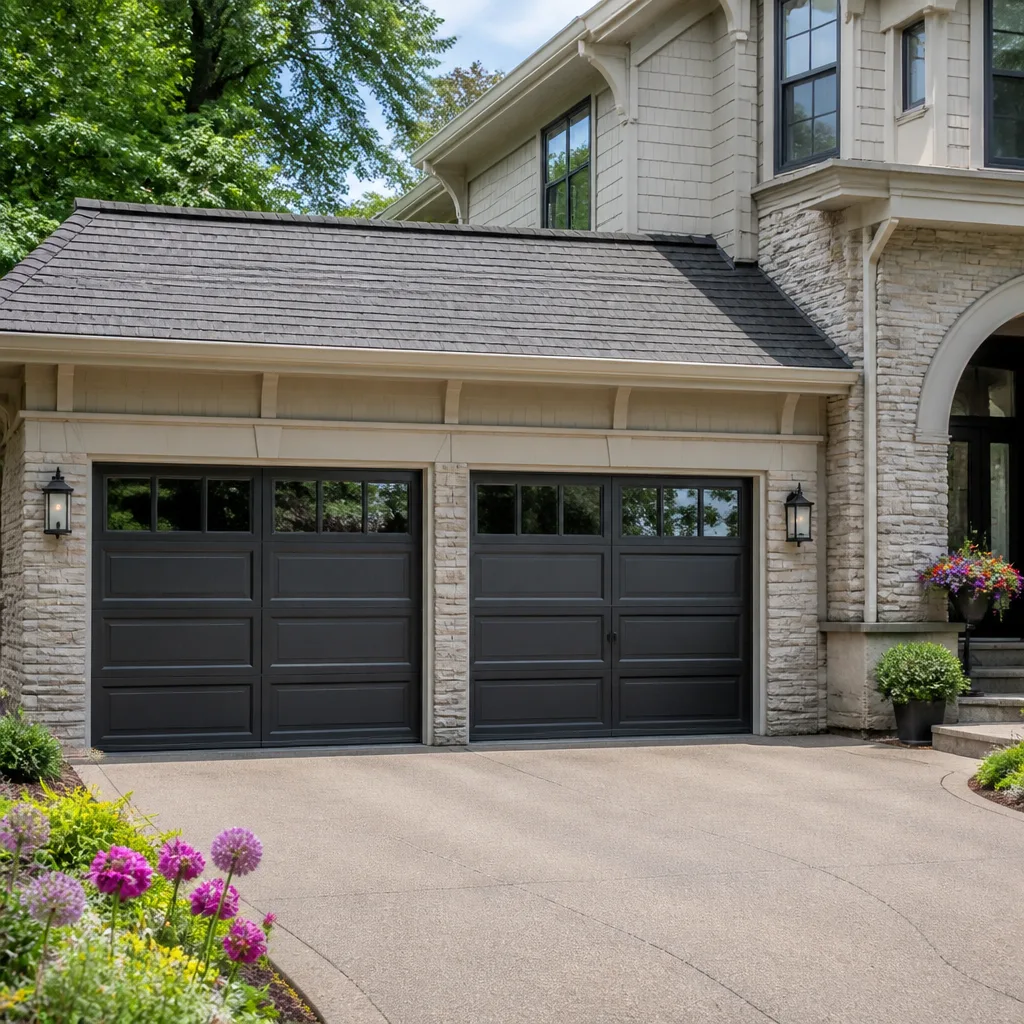
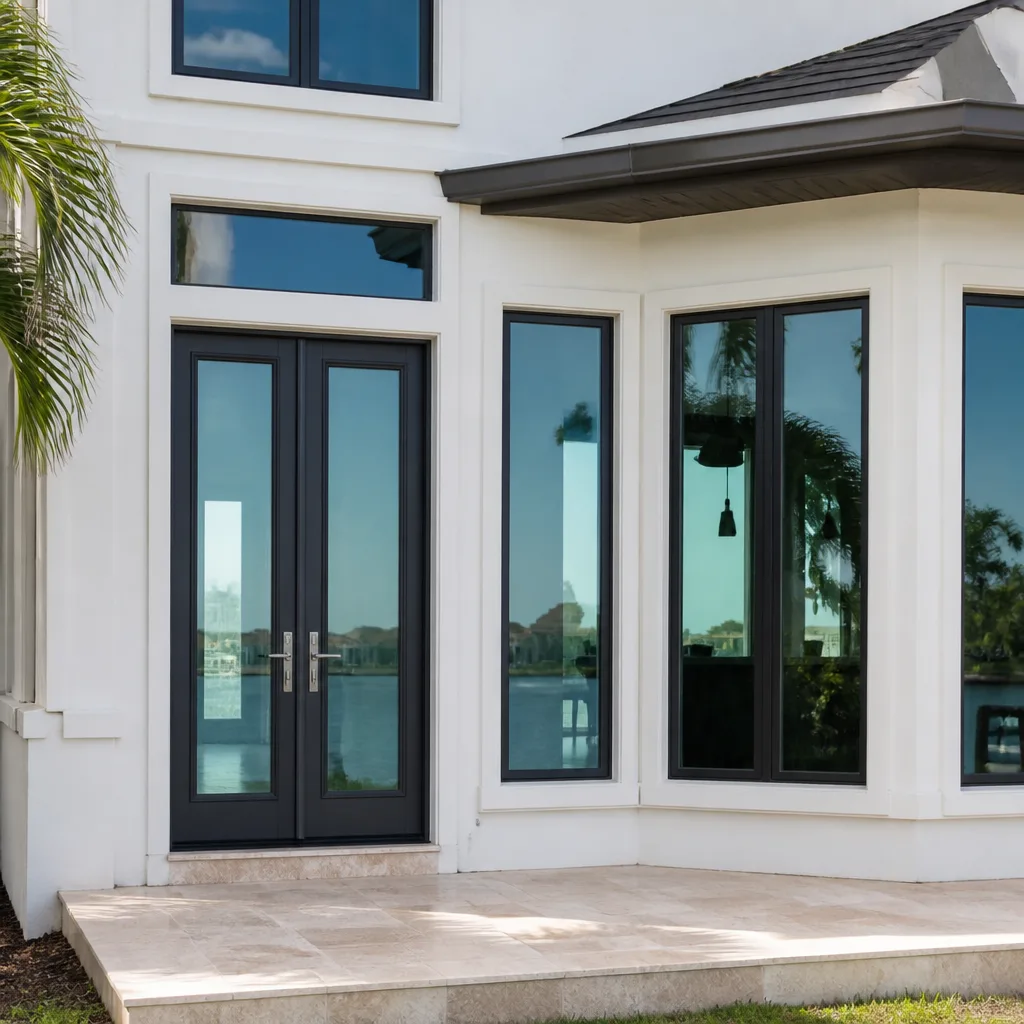

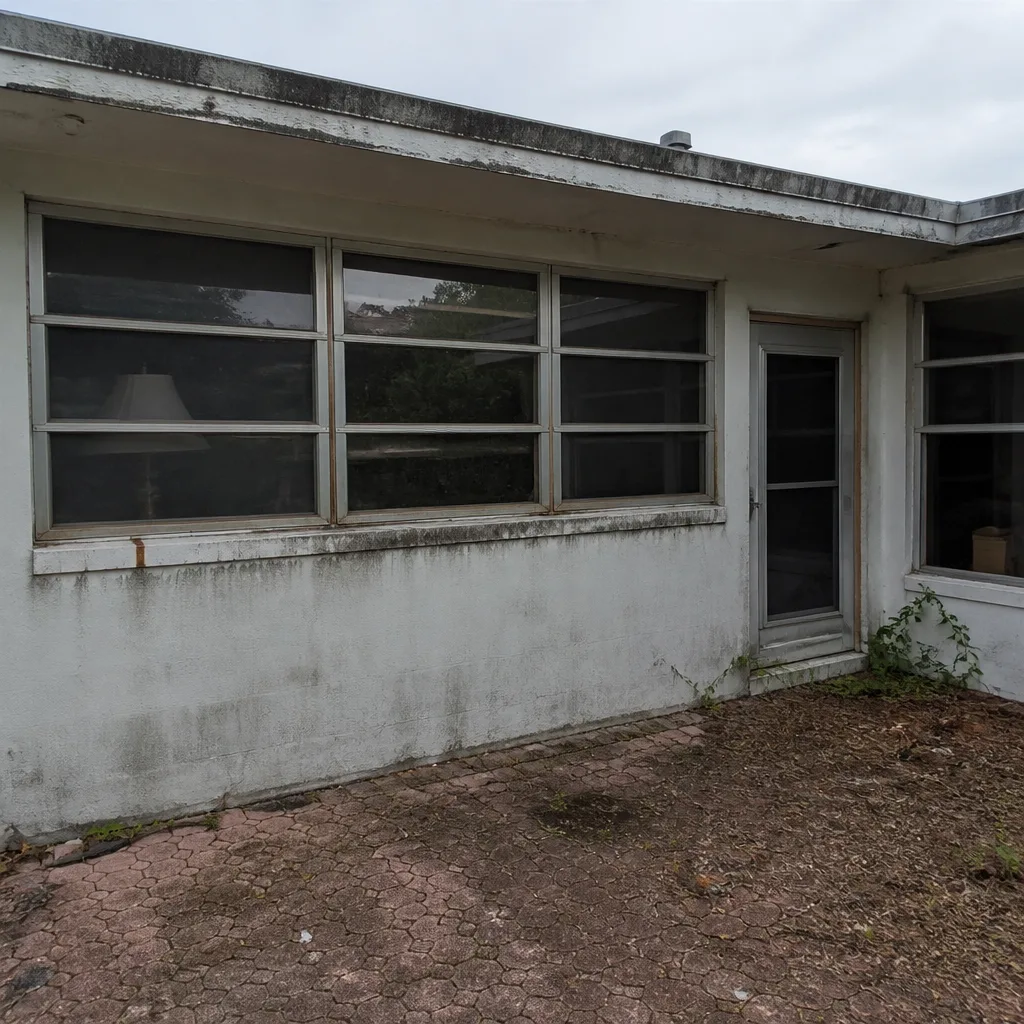 Before
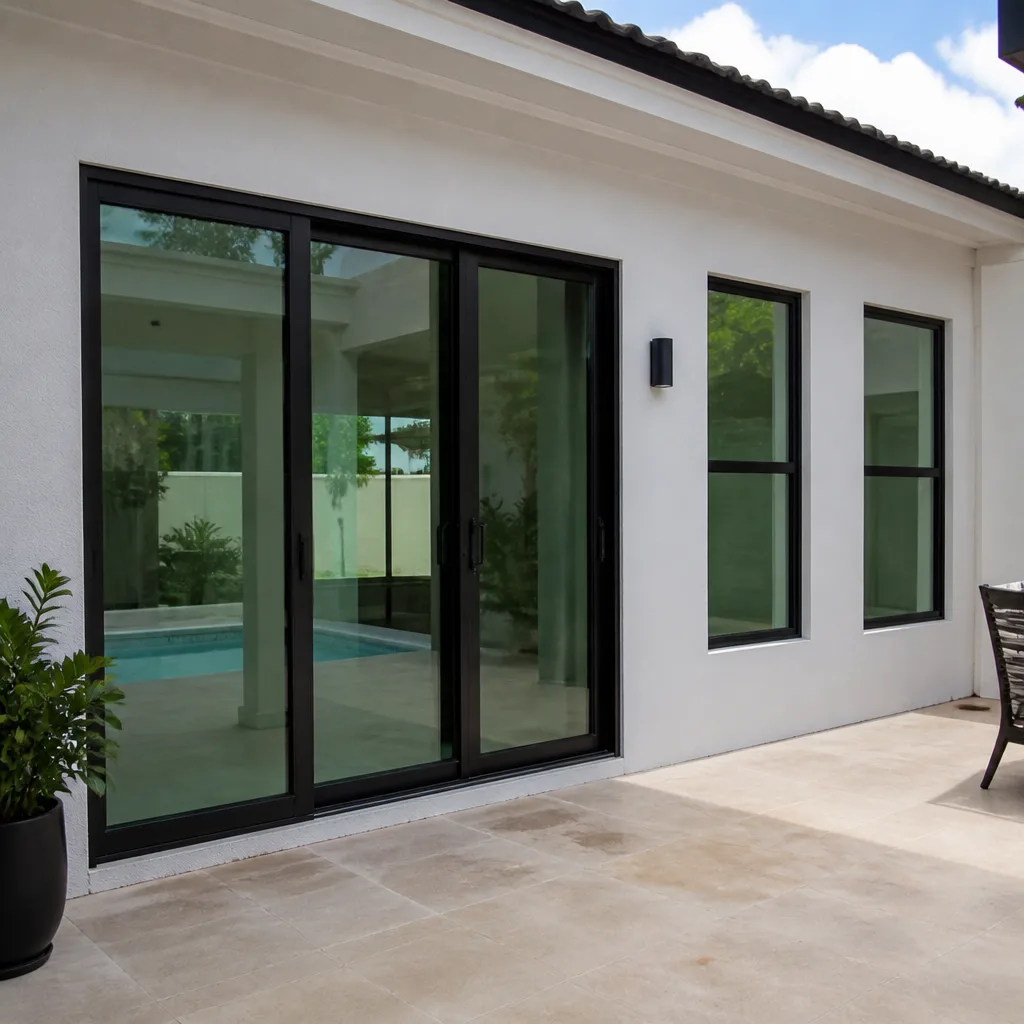 After
After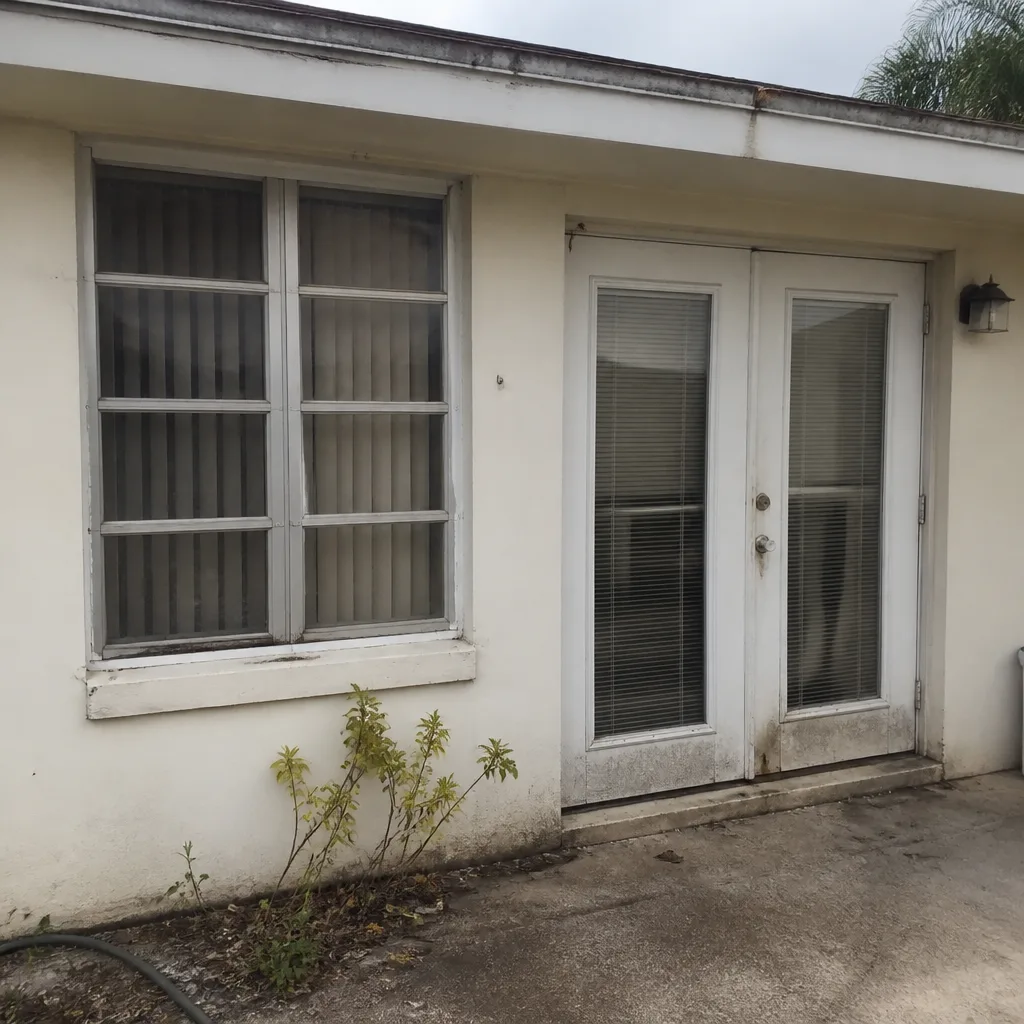 Before
 After
After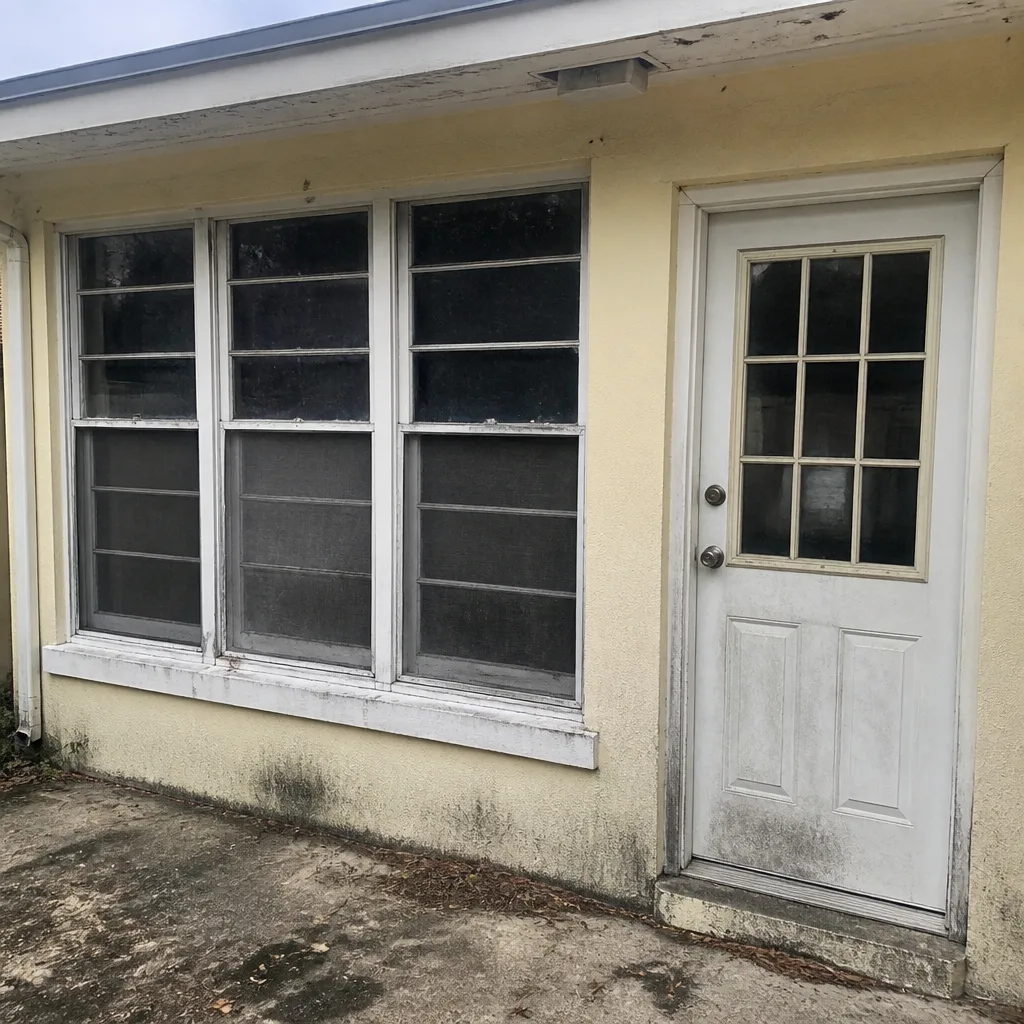 Before
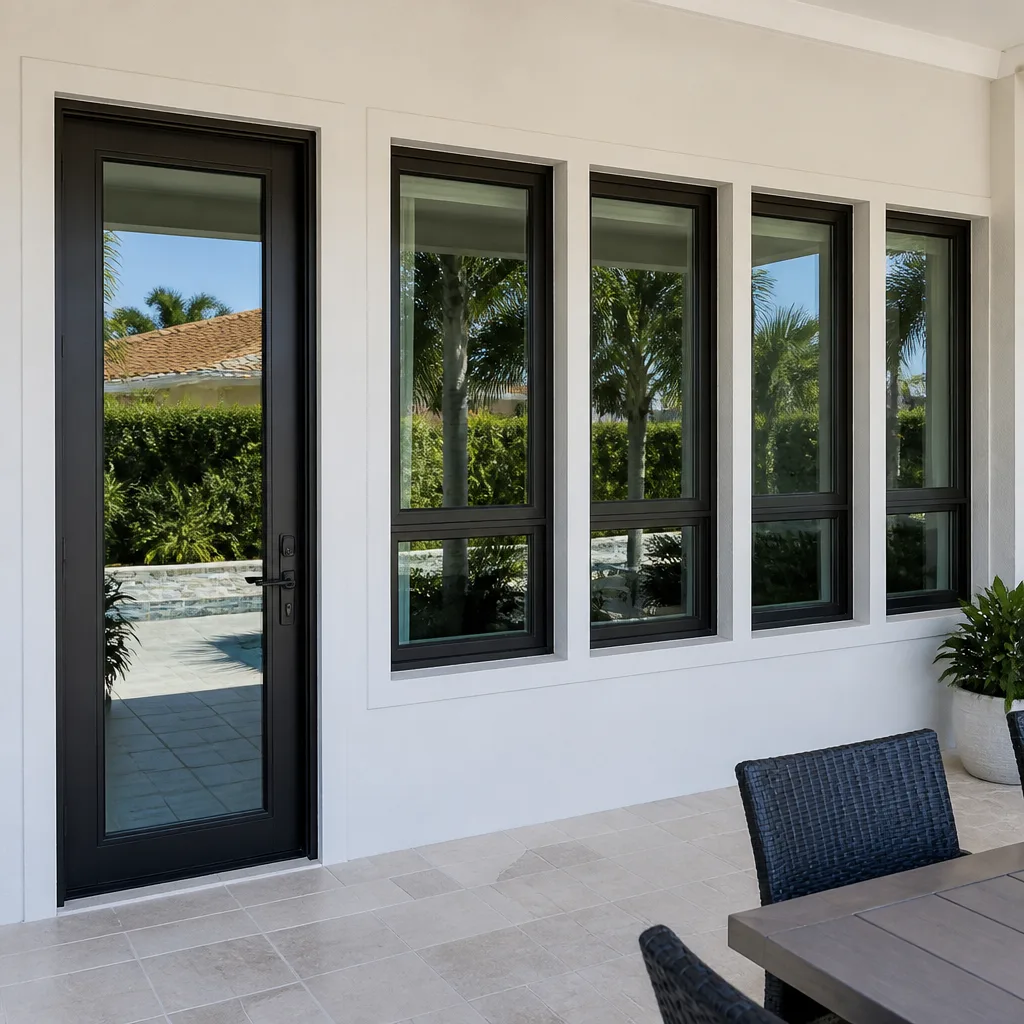 After
AfterWindow Installation Maintenance Checklist for Margate Homeowners
The most common cause of a voided window warranty in coastal Broward County isn’t storm damage - it’s an undocumented failure to clean the weep holes on a quarterly schedule, a task that takes four minutes per window and is mentioned in the warranty only in paragraph nine of the fine print. In Margate, where salt air from the Atlantic meets the seasonal humidity spikes of inland Broward, window assemblies fail in predictable patterns that manufacturer warranties rarely address directly. This checklist draws from the documented failure points Sightline has recorded across 18,000+ openings, organized by inspection interval and designed to be printed, dated, and kept in your home file as evidence. For a broader overview of professional services, see our Window Installation page.
Quick Answer
Margate homeowners should inspect windows quarterly for weep-hole blockage, lubricate impact-rated multipoint hardware every six months with dry PTFE lubricant, and replace degraded sealants annually before June humidity peaks. Document each inspection with dated photographs to preserve warranty standing and insurance evidence.
Table of Contents
- Why Coastal Margate Windows Fail Differently
- Quarterly Inspection: The Weep Hole Protocol
- Semi-Annual Hardware and Track Maintenance
- Annual Sealant Inspection by Opening Type
- Photographing and Dating Your Maintenance Record
- Post-Storm Inspection: The 48-Hour Sequence
- Common Mistakes to Avoid
- When to Call a Professional
- Frequently Asked Questions
 Before
 After
AfterWhy Coastal Margate Windows Fail Differently
Windows in Margate face a specific set of stressors that inland Florida - or even coastal Palm Beach - does not replicate exactly. The city sits roughly eight miles from the Atlantic, close enough for salt aerosol to deposit on exterior surfaces, yet far enough inland that summer humidity pools rather than disperses. This combination creates what glazing contractors call “salt-creep corrosion”: chloride ions migrate into aluminum frame cavities during humid nights, then crystallize during dry daytime heating, expanding micro-fissures in anodized coatings.
We’ve documented this pattern repeatedly in neighborhoods like Coral Bay and Oriole Estates, where homes built between 2015 and 2020 with standard-grade aluminum frames show frame pitting at rates higher than comparable installations in Boca Raton or Fort Lauderdale. The difference is airflow. Margate’s lower coastal breeze velocity means salt deposits remain longer before natural washing occurs.
The second Margate-specific factor is the seasonal water table fluctuation. During wet-season months, the high water table in western Broward creates hydrostatic pressure against slab-on-grade homes, forcing moisture through weep channels that are designed to drain outward. When those channels are blocked - by gecko eggs, dust, or the tiny shells of marsh periwinkles carried on storm winds - water backs into the sill box and rots the subfloor from below. We’ve replaced sills in Margate homes where the interior drywall showed no stain, but the sill plate beneath was black with mold.
Third, the window installation in Margate market has seen two distinct product waves: pre-2017 installations, often with non-impact glass and basic vinyl frames, and post-Hurricane Irma replacements, predominantly impact-rated with reinforced frames and multipoint locking. These two populations require different maintenance protocols. The older vinyl frames are prone to UV embrittlement and sealant adhesion failure; the newer impact systems depend on clean drainage paths and properly torqued hardware to maintain their design pressure ratings.
Understanding these local conditions matters because generic maintenance advice - “clean your windows twice a year” - misses the failure modes that actually appear in Margate home files. For deeper context on regional pricing, see our Windows & Doors Cost Breakdown: The Margate Homeowner’s Reference for 2026. The checklist below is interval-specific and condition-specific for this market.
Quarterly Inspection: The Weep Hole Protocol

Every window and sliding door installed in Margate after 2002 has weep holes: small drainage passages at the exterior sill that allow accumulated water to exit the frame cavity. Before any installation, confirm your project meets local requirements by reviewing Windows & Doors Permits, Codes & Inspections in FL: What You Need to Know. When blocked, water has nowhere to go but inward. The warranty implication is severe. PGT, CGI, and CWS all specify in their limited warranties that “failure to maintain free drainage paths” voids coverage for water intrusion damage. Yet the maintenance instruction is typically buried in warranty documents that homeowners never receive in full.
Here is the protocol we teach during every window replacement in Margate handoff:
- Locate the weep holes. On single-hung and double-hung windows, they are visible as slots or small circular openings on the exterior sill nose, usually two per sash width. On sliding windows and patio doors, they appear at the track base, often concealed by a snap-in cover that must be removed. On casement units, check the sill and the bottom hinge jamb.
- Inspect for blockage indicators. Standing water in the track, staining below the weep hole, or a visible debris plug are clear signs. Less obvious: a weep hole that appears open but has a mud-dauber nest or gecko egg cluster just inside the passage. Shine a flashlight horizontally across the opening to check depth.
- Clear with a straightened paperclip. Do not use a wire brush or compressed air. A standard paperclip, straightened to three inches, is rigid enough to break through typical blockages but soft enough not to score the weep channel. Insert gently until resistance gives, then withdraw. If you meet solid resistance at one inch, the blockage may be construction debris from original installation - document this and call for evaluation.
- Verify drainage. Pour four ounces of water into the interior track or sill cavity. It should exit the weep hole within thirty seconds. If it pools, the internal channel may be obstructed or the sill may be out of level.
- Photograph and date. See the documentation section below for the specific record format.
In Margate’s spring and early summer, we see weep blockage rates spike due to oak pollen accumulation followed by the first heavy rains. The pollen mats into a paste that hardens when dry. A March or April quarterly inspection prevents this cycle.
For impact-rated units from manufacturers like ES Windows or ECO Window Systems, the weep system is often more complex, with secondary drainage channels behind the compression seals. These channels are not owner-serviceable; the quarterly inspection is limited to the primary exterior weeps. If water drains slowly from these, the internal system may need professional clearing.
Semi-Annual Hardware and Track Maintenance
Impact-rated windows and doors in Margate rely on multipoint locking systems - typically three to five locking points along the frame edge - to achieve their design pressure ratings. These systems are mechanical, exposed to salt air, and sensitive to lubricant choice. Using the wrong product destroys the hardware faster than using none at all.
WD-40 is the most common error. It is a water-displacing solvent, not a lubricant, and it leaves a sticky film that attracts salt-laden dust. Within two months of application in coastal Broward, we’ve examined locks that were grit-locked worse than if they’d been left dry. The correct product is a dry PTFE (polytetrafluoroethylene) lubricant, available in aerosol from hardware suppliers. It deposits a dry film that does not attract debris.
The semi-annual protocol, performed in April and October to bracket Margate’s wet and dry seasons:
- Locks and multipoint bolts: Apply dry PTFE to each locking point, cycle the handle or thumb turn ten times to distribute, then wipe excess with a lint-free cloth. Check bolt throw length; if any point fails to engage fully, the door or sash is misaligned or the keep is worn.
- Hinges and rollers: For casement windows, lubricate the hinge pivot points. For sliding units, clean the track with a vacuum and damp cloth first, then apply PTFE to the roller axles through the access holes in the sash bottom. Do not lubricate the track surface itself; this causes roller slippage and uneven wear.
- Weatherstrip inspection: Compression seals should rebound when pressed. Permanent deformation indicates UV degradation or chemical exposure. In Margate, we see accelerated weatherstrip hardening on west-facing elevations where afternoon sun combines with radiated heat from stucco walls. Replace when the seal no longer springs back to original thickness within five seconds.
- Screen frame and mesh: Remove screens, rinse with fresh water, inspect mesh for salt crystallization at the frame edge. Salt wicks into the mesh-fabric interface and causes fraying. In homes within two miles of the C-14 Canal corridor, we see this pattern more frequently due to brackish water aerosol during afternoon convection storms.
For homeowners with door installation in Margate that includes multi-slide or lift-slide systems, the roller adjustment mechanism requires annual verification by a technician. The adjustment screws are not user-serviceable and incorrect adjustment voids the roller warranty.
Annual Sealant Inspection by Opening Type

Sealant degradation in Margate follows different schedules depending on material, location, and exposure. An annual inspection in May, before the summer humidity peak, allows replacement to cure before the heaviest rain months.
| Opening Type / Sealant Location | Material | Degradation Indicator | Replacement Trigger |
|---|---|---|---|
| Door threshold to sill plate | Neutral-cure silicone | Surface crazing, loss of gloss, adhesion failure at one edge | Any visible separation from substrate; do not wait for through-cracking |
| Casement frame to wall (perimeter) | Polyurethane or hybrid | Chalking, color shift to gray or brown from original white | Depth of crack exceeds 1/16 inch when probed with flat blade |
| Fixed picture window glazing tape | Butyl or foam-core tape | Tape visible at sightline, indicating frame pressure loss | Immediate; tape extrusion means the glazing pocket is no longer sealed |
| Sliding door interlock | Factory-applied fin seal or brush | Fin creasing, brush matting, light visible through closed joint | When fin no longer returns to vertical or brush gaps exceed 1/8 inch |
| Impact-rated laminated glass edge | Structural silicone bite | Not owner-visible; inspect for glass movement in frame | Any perceptible glass shift when hand-pressed; call installer immediately |
The threshold silicone at patio doors fails fastest in Margate because it receives direct foot traffic, pressure washing, and the most concentrated salt exposure from wind-driven rain at grade level. We recommend pulling and replacing this bead annually rather than inspecting for failure. The material cost is under $8; the water-intrusion cost of delayed replacement averages $2,400 in documented Margate claims we’ve reviewed.
For homes in neighborhoods with reclaimed water irrigation - common in the Carolina Golf Club vicinity and newer developments west of State Road 7 - the sealant at ground-level openings receives additional chemical exposure. Reclaimed water carries higher dissolved solids and occasional chlorine spikes. Rinse exterior sills monthly if your irrigation system oversprays.
When replacing sealant yourself, cut the old bead completely free with a utility knife; do not apply new over old. Clean the joint with isopropyl alcohol, allow to dry, then apply new material with a smooth tooling motion. For perimeter frame sealants, the joint width should be 1/4 inch minimum to accommodate frame movement during thermal cycling. Narrower joints fail prematurely because the sealant cannot stretch.
Photographing and Dating Your Maintenance Record
Warranty and insurance disputes turn on evidence. The homeowner who can produce a dated, photographed maintenance record wins claims that the homeowner with verbal memory loses. This is not hypothetical; we’ve assisted Margate customers in three insurance disputes where photographic maintenance records reduced claim denial to partial payment or full coverage.
The documentation standard we recommend mirrors our own: the Haven Standard requires that every Sightline job leaves a documented photo record. Your maintenance record should achieve similar evidentiary weight.
- Establish a consistent format. For each inspection, create a digital folder named YYYY-MM-DD-Window-Maintenance. Use this date format exclusively; it sorts chronologically.
- Photograph each window or door from the interior and exterior. Include the full frame, then a close-up of the specific element inspected: weep hole condition, hardware, sealant joint. Use your phone’s timestamp feature; do not disable it.
- Include a reference object for scale. A standard #2 pencil placed beside a weep hole or sealant crack provides scale that insurance adjusters and warranty representatives can interpret without site visit.
- Write a three-sentence log entry. Example: “2024-04-15. North bedroom casement, weep holes clear, drainage verified with 4 oz water, hardware lubricated with dry PTFE, no sealant defects. Photographs 15-0424-NB-01 through 04. Next inspection due 2024-07-15.”
- Store in two locations. Cloud storage plus local backup. Email the log to yourself with the date in the subject line for an automatic timestamp from your mail server.
For the annual sealant inspection, add one additional photograph: the product label of the sealant you applied, with lot number visible. If the sealant fails prematurely, this documents that you used a compatible product, not a solvent-based caulk that voids frame finish warranties.
In Margate’s insurance market, carriers are increasingly requiring maintenance documentation for impact-window coverage renewals. Citizens Property Insurance Corporation and several private carriers serving ZIP code 33063 have added “evidence of maintained opening protection” as a renewal condition since 2023. The photograph-and-date protocol satisfies this requirement.
Post-Storm Inspection: The 48-Hour Sequence
After any tropical system passes within 50 miles of Margate - whether the eye crosses the county or not - window and door assemblies experience pressure cycling that reveals latent defects. The 48-hour window after passage is critical. Moisture that enters during the storm begins microbial growth within 72 hours; sealant damage that admits subsequent rain becomes a larger intrusion point.
Perform this sequence in order. Do not skip steps because the visible damage seems minor.
- Exterior visual sweep. Walk the perimeter with binoculars if second-story windows are involved. Look for: cracked or chipped glass (including the exterior lite of laminated impact glass, which may be cracked while the interior lite remains intact); frame dents from wind-borne debris; missing or displaced snap-in covers on weep systems; sealant beads pulled from substrate by pressure differential.
- Operational test of every opening. Open, close, and lock each window and door. Binding that did not exist before the storm indicates frame racking or hardware displacement. Do not force; if an assembly will not operate smoothly, the frame may be twisted and forcing it will damage the hardware.
- Interior moisture check. Inspect sill plates, drywall corners, and flooring at each opening with a moisture meter if available, or by touch for temperature differential. Cool spots indicate evaporative cooling from moisture. In Margate’s post-storm humidity, interior condensation can mask actual leaks; check at 6 AM before daily heating begins.
- Hardware torque verification. For impact-rated units, the multipoint lock face plates should show no gap when fully engaged. A storm can shift the sash or panel enough to change the lock-to-keep alignment. Misalignment causes uneven pressure distribution and reduces the unit’s rated capacity for the next event.
- Weep system flush. Even if quarterly maintenance was recent, storm debris may have entered weep channels. Clear and verify drainage as described in the quarterly protocol.
- Photograph everything before cleaning or repair. Insurance and warranty claims require pre-repair documentation. Photograph first, then clean glass or remove debris.
If any opening fails the operational test or shows interior moisture, do not wait for the next business day to document. Photograph immediately, then contact your installer. Sightline Windows & Doors Margate home coverage includes post-storm assessment as part of our 365-Day Done Right Promise, but the initial documentation is your responsibility.
For named storms, FEMA and most private flood policies have reporting deadlines that begin at landfall, not at discovery. A dated 48-hour inspection record establishes that damage was identified promptly, not neglected.
Common Mistakes to Avoid
- Using vinegar or ammonia-based cleaners on coated glass. Low-E coatings on the interior surface of dual-pane units are damaged by acidic or alkaline cleaners. Use mild dish soap and water only. We’ve replaced units in Margate where the Low-E coating was stripped by a “natural cleaning” routine.
- Pressure washing weep holes directly. The water stream drives debris deeper into the channel and can deform the weep baffle. Rinse the frame exterior gently; clear weeps separately with the paperclip method.
- Applying silicone lubricant to multipoint locks. Silicone attracts dust and salt; within weeks the lock mechanism gums. Dry PTFE only. This error is so common that CWS includes a warning label on hardware packaging, yet we still encounter it quarterly.
- Ignoring the interior side of impact glass. The laminated interlayer is UV-stable, but the interior glass surface can develop etching from cleaning product residue. Rinse thoroughly after any cleaning.
- Delaying sealant replacement until “it looks bad.” By the time sealant looks bad, water has already entered. Replace at the first indicator, not the last.
- Failing to document “no defects found” inspections. A record of consistent maintenance, even when nothing was wrong, proves diligence in disputes. An empty file proves nothing.
- Assuming new windows need no maintenance for five years. The first two years are actually the most critical; frame settlement, hardware break-in, and sealant curing all occur during this period. We see more warranty claims in years one and two than in years six through ten.
When to Call a Professional
Some conditions require technician evaluation rather than owner maintenance. Call for assessment if: glass movement is perceptible in the frame; condensation appears between panes of a dual-pane unit, indicating seal failure; any frame component is cracked, not merely scratched; hardware operates with visible effort or noise after lubrication; or water intrusion recurs after weep clearing and sealant replacement.
Sightline Windows & Doors Margate offers free estimates in Margate - call (754) 254-7558. Every assessment includes a measured survey you keep, a written scope with fixed pricing, and if work proceeds, a documented photo record on completion. Our technicians are background-checked, uniformed, and identified by license number before arrival, per Haven Clause 3.
Frequently Asked Questions
Professional window maintenance in Margate typically runs $150-$300 for a single-family home with 15-25 openings, covering weep clearing, hardware lubrication, and sealant inspection. If sealant replacement is needed, add $8-$15 per linear foot for material and labor. Call (754) 254-7558 for an exact quote - estimates are free.
Quarterly, in January, April, July, and October. Margate’s salt air and pollen load exceed the biannual schedule that manufacturer warranty documents typically suggest for inland markets.
No, if performed correctly and documented. Warranties are voided by negligence, not by owner maintenance. The critical factor is using compatible materials - dry PTFE for hardware, neutral-cure silicone for sealants - and maintaining photographic evidence of the work performed.
The Haven Standard is the operating protocol that governs every Sightline installation: Have it in writing, Arrive on schedule, Verified crews, Evidence on every job, No surprises. It was established when the company was founded in 2012 and applies to all 18,000+ openings completed since.
Yes. Impact-rated units have more complex drainage systems, heavier hardware that requires specific lubricants, and laminated glass that must be inspected for exterior lite damage even when the interior lite appears intact. The multipoint locking systems also require torque verification after any pressure event.
Probe with a flat putty knife. If the sealant separates from the frame or wall substrate with light pressure, or if a crack extends more than 1/16 inch deep, replace it. Surface dirt or discoloration alone does not require replacement. In Margate, threshold sealants at patio doors should be replaced annually as preventive maintenance regardless of appearance.
Document with photographs, then call for assessment within 48 hours. Water intrusion without glass damage typically indicates frame seal failure, weep system overflow, or pressure-induced gasket displacement - all conditions that worsen with delay. Sightline provides post-storm assessment under our 365-Day Done Right Promise.
Any hardware-grade dry PTFE aerosol is acceptable. Avoid products that combine PTFE with silicone, graphite, or wet oils. The label should state “dry film” or “dry PTFE” explicitly. We recommend testing on a small area first to confirm no residue remains after the carrier solvent evaporates.
The Bottom Line

Window maintenance in Margate is not a seasonal chore to be remembered occasionally. It is a scheduled protocol - quarterly weep inspection, semi-annual hardware service, annual sealant replacement, post-storm documentation - that preserves warranty standing, insurance coverage, and the structural integrity of your opening protection. The salt air and humidity of coastal Broward create predictable failure modes that are preventable with four minutes per window and a dated photograph. Keep the checklist printed, keep the record complete, and when conditions exceed owner maintenance, call for a written assessment with fixed pricing before any work begins. Explore more guides & resources for ongoing home maintenance support.
Written by Sonia Raman, Owner at Sightline Windows & Doors Margate, serving Margate since 2012.