
Last updated September 24, 2026
Free in-home measure and quote - PGT, CGI and CWS impact lines compared on your actual openings, style by style
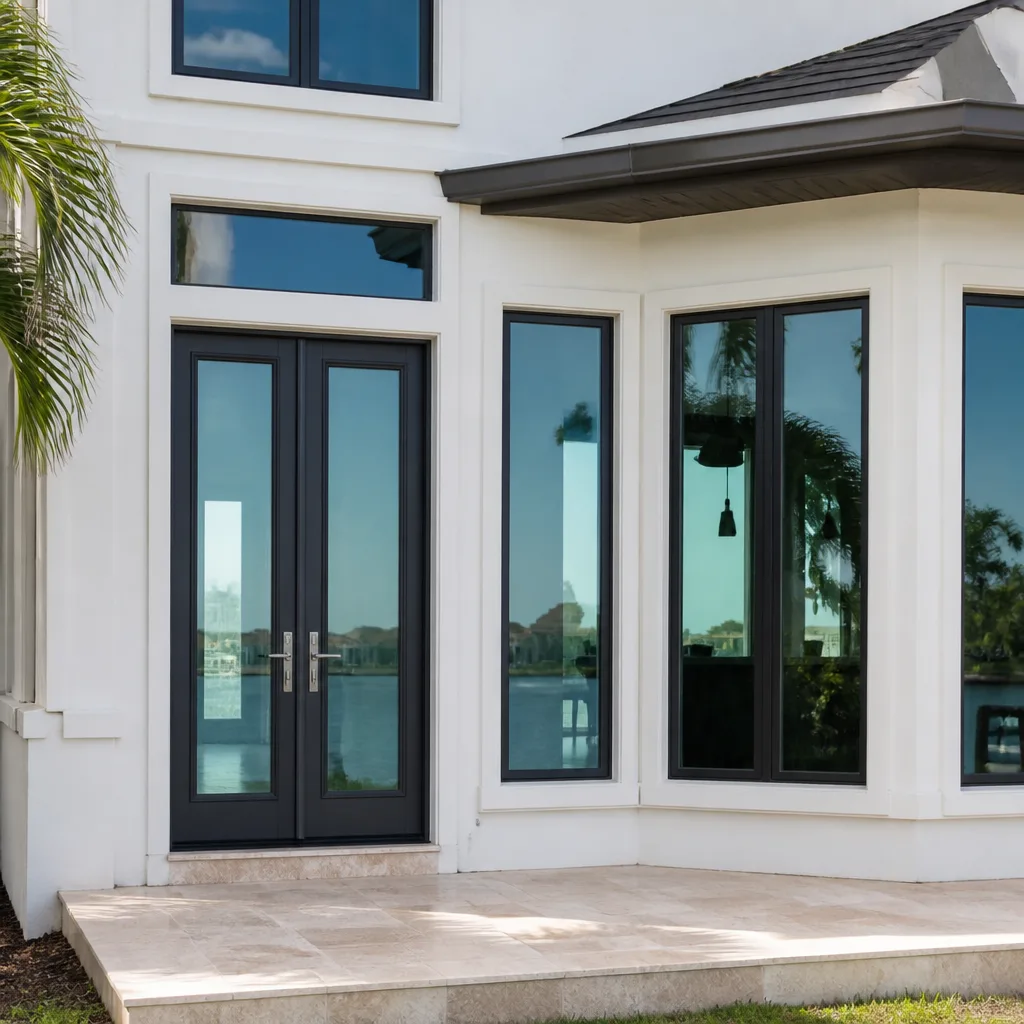
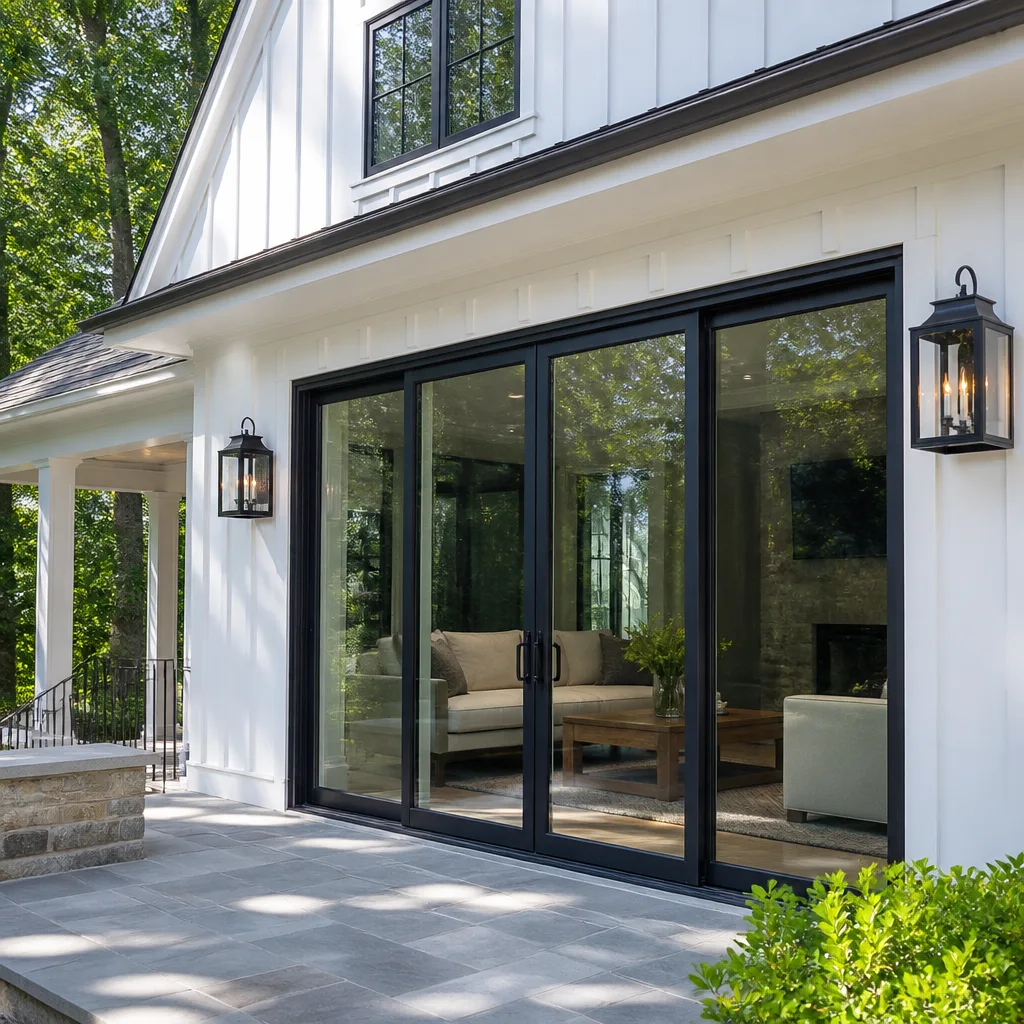
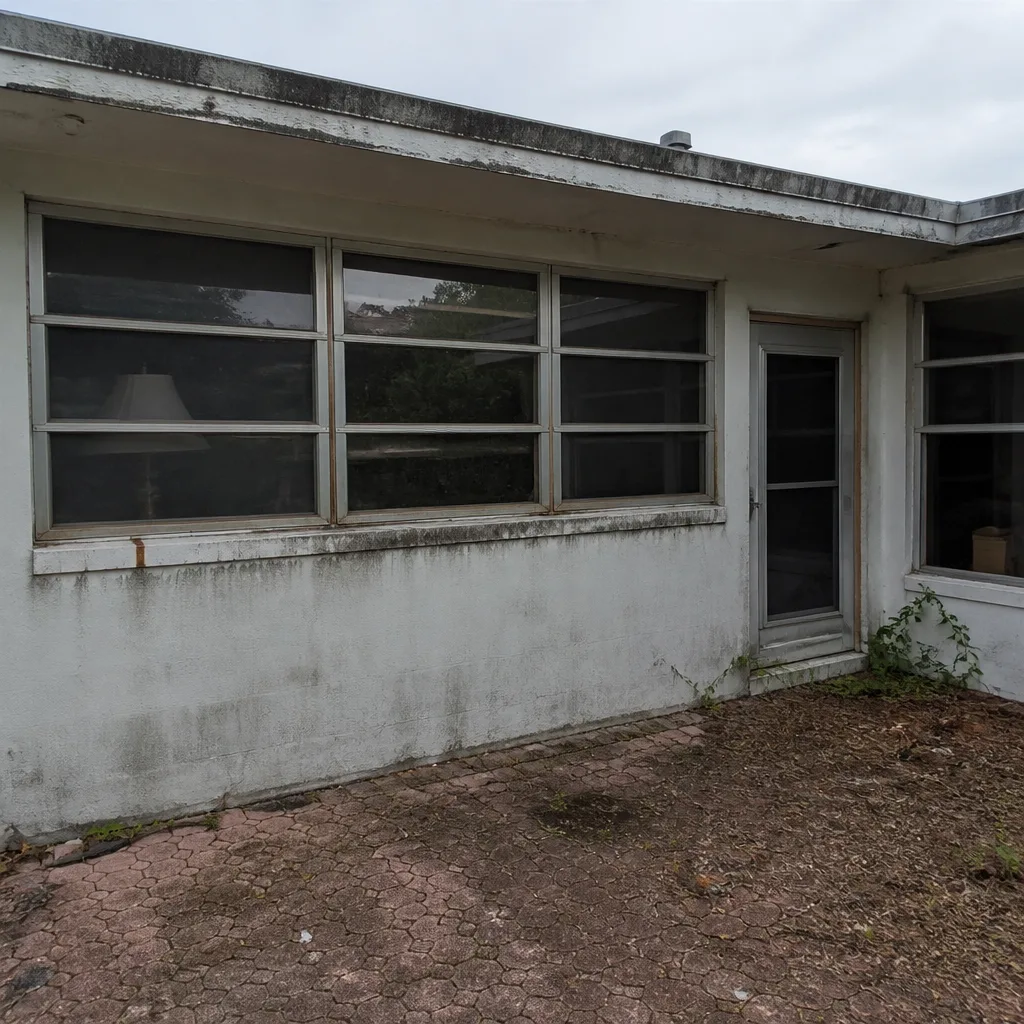 Before
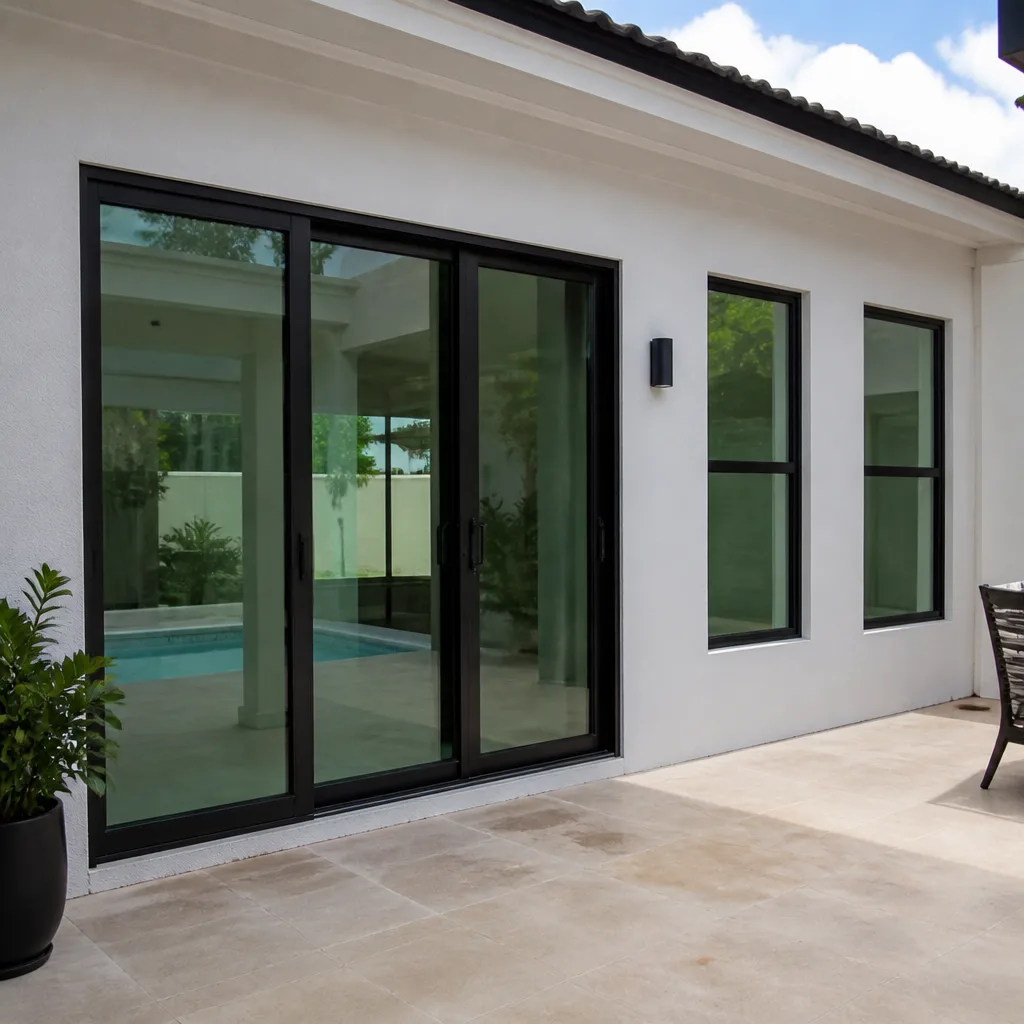 After
After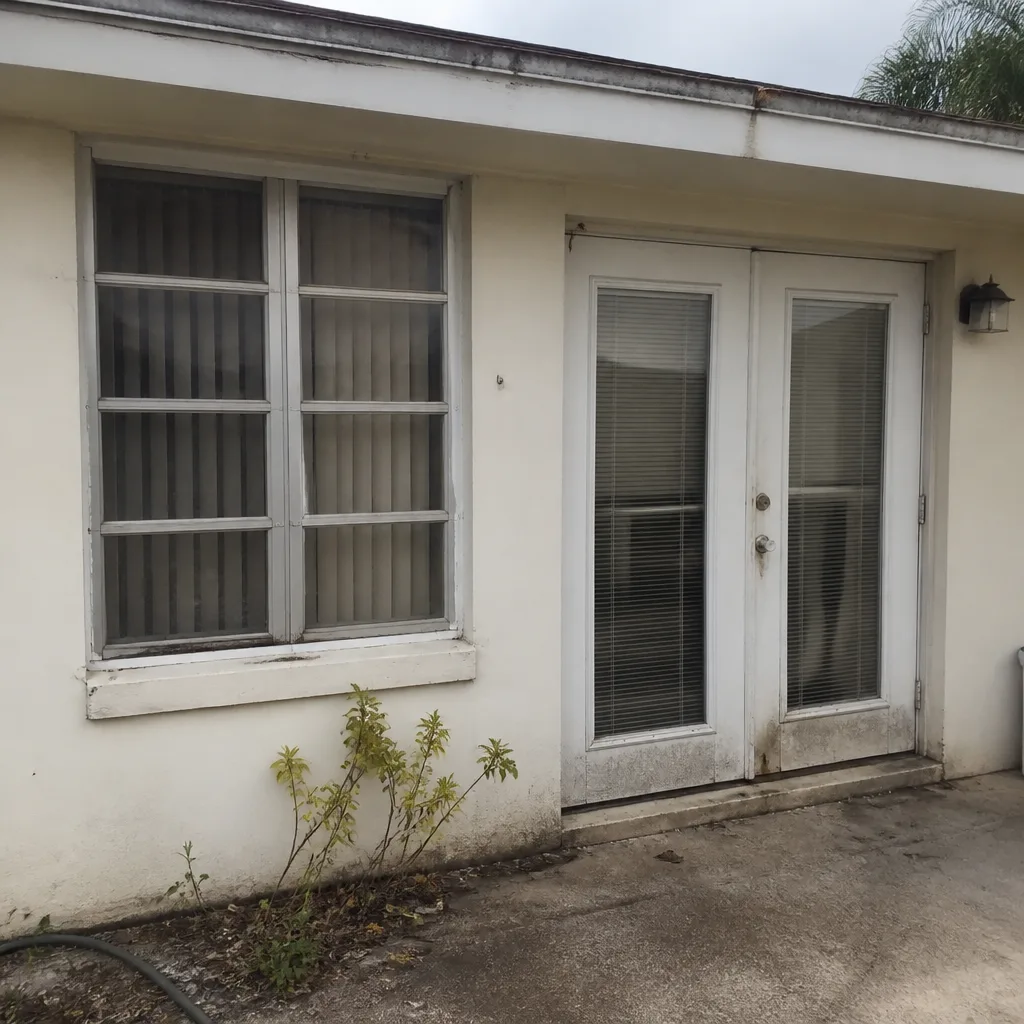 Before
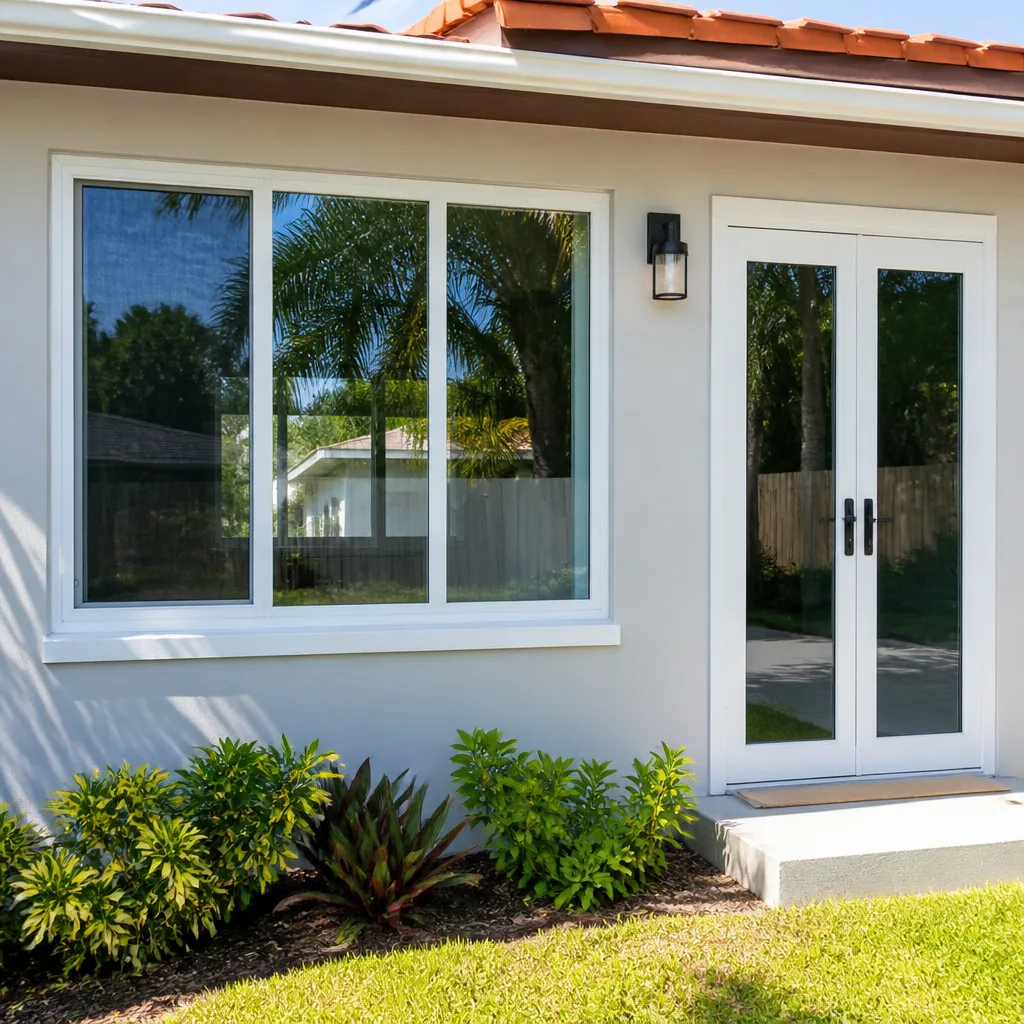 After
After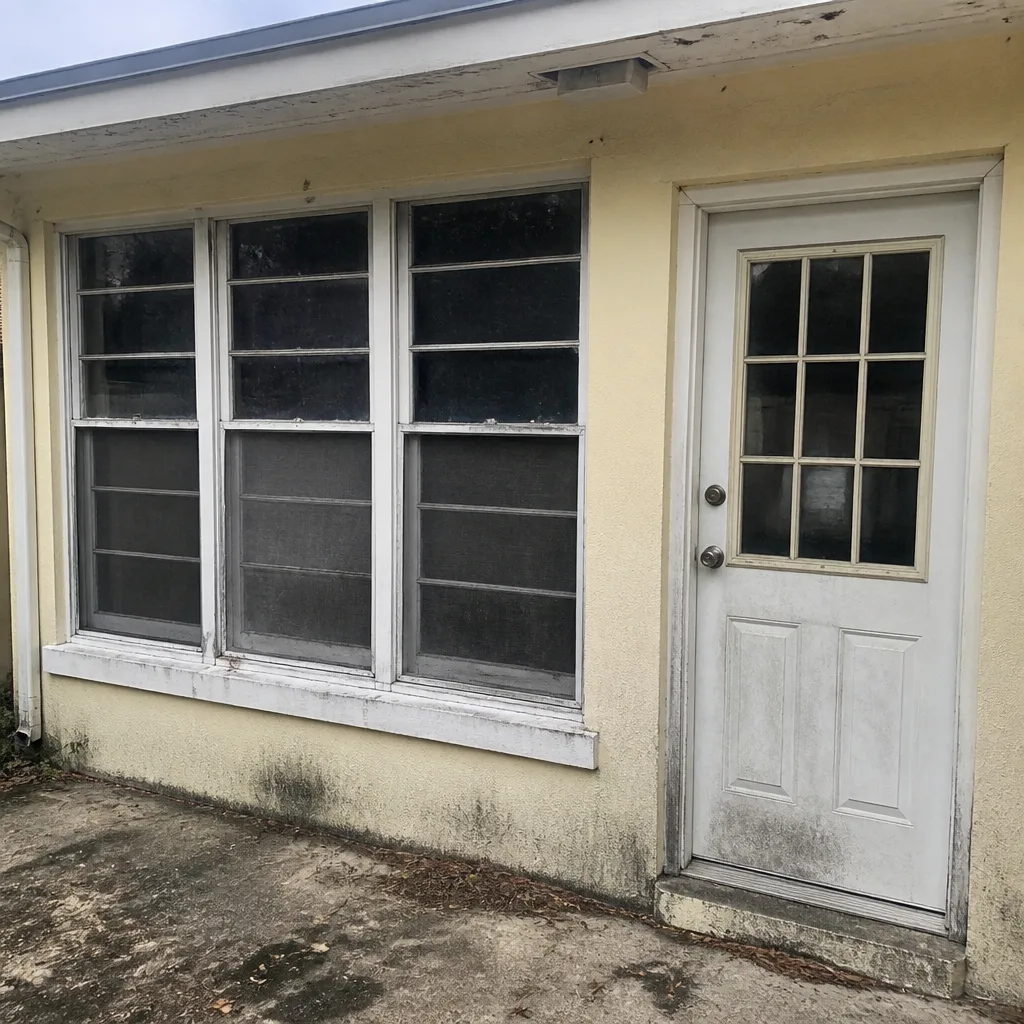 Before
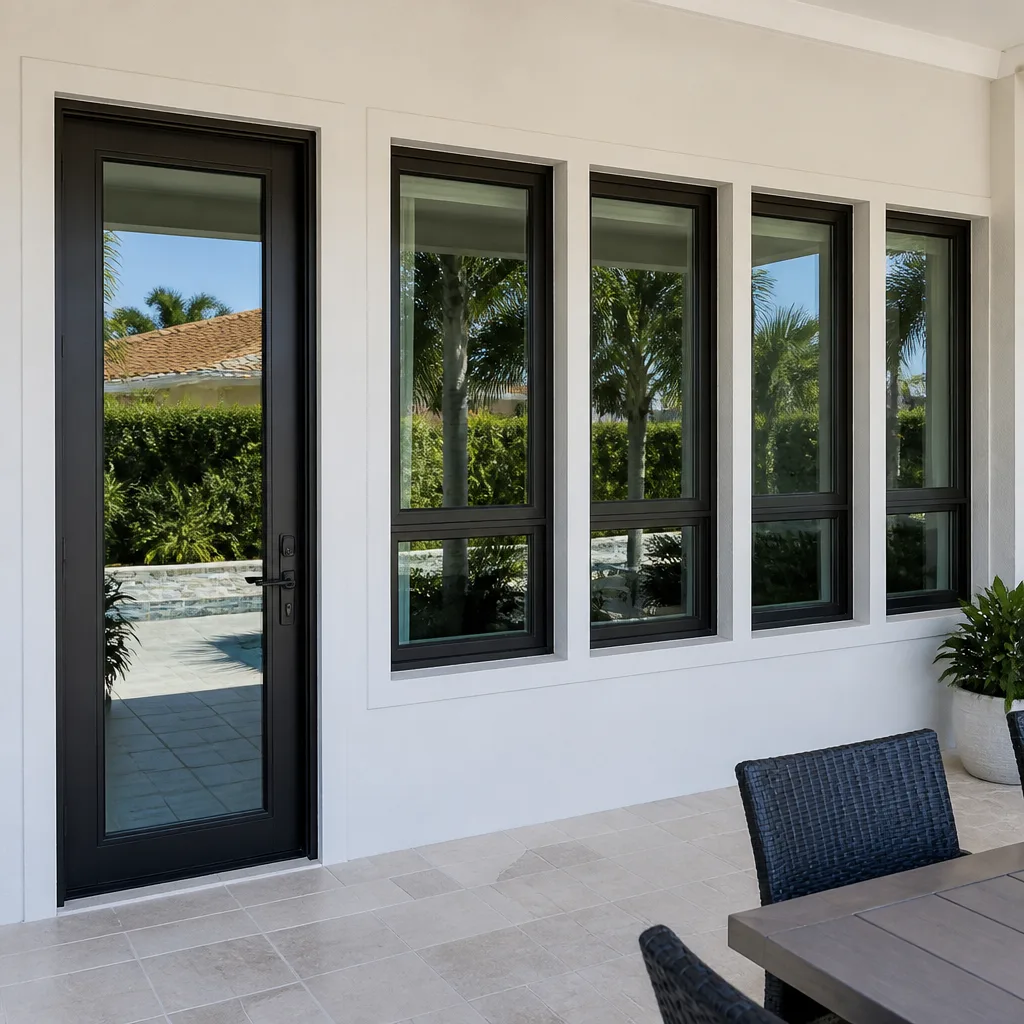 After
AfterDIY vs Professional Windows & Doors: The Margate Homeowner’s Decision Guide
Florida Statute 489.103(7) lets you pull your own permit for window work on your primary residence, which makes DIY installation technically legal in Margate. But here’s what most guides won’t tell you: the permit still triggers a mandatory third-party HVHZ inspection, and if your installation fails, the remediation cost sits entirely on you with no contractor warranty to invoke. Meanwhile, an unpermitted job doesn’t fade with time in Broward County, it attaches to the property deed and surfaces during every future title search. In this guide, we’ll walk through exactly where the legal line falls, what HVHZ inspectors actually check, and how to calculate the true cost of doing it yourself versus hiring a licensed installer from the start.
Quick Answer
DIY window installation in Margate is legal only if you pull a permit under Florida’s homeowner-builder exemption, pass a third-party HVHZ inspection, and disclose the work at resale. Most homeowners find that the combined cost of permits, inspection risk, and potential remediation exceeds the labor portion of a professional quote, while unpermitted work creates a title defect that costs $400-$800 to resolve later and can delay or derail a sale. For a detailed walkthrough, read our guide on How to Hire a Windows & Doors Contractor in Margate: A Step-by-Step Guide.
Table of Contents
- Florida’s Homeowner-Builder Exemption: The Three Conditions
- What an HVHZ Inspector Actually Checks
- The True Cost of DIY: Permits, Fees, and Failed Inspections
- What You Can Legally Do Yourself vs. What Requires a License
- How Unpermitted Work Follows the Deed
- What a Professional Quote Includes That DIY Doesn’t
- Why Manufacturer Warranties Often Exclude DIY Installation
- Making the Decision: A Margate Homeowner’s Framework
 Before
 After
AfterFlorida’s Homeowner-Builder Exemption: The Three Conditions
The homeowner-builder exemption in Florida Statute 489.103(7) is narrower than most people realize. To use it legally in Margate, you must meet all three conditions simultaneously, and the third one creates a disclosure obligation that follows the property indefinitely.
Condition one: The property must be your primary residence. Rental properties, second homes, and investment properties are excluded. If you’re installing windows in a Coral Bay rental or a condo you AirBnB in Oriole Gardens, you cannot use this exemption and must hire a licensed contractor.
Condition two: You must personally supervise all work. This doesn’t mean hiring a handyman and watching from the driveway. Florida courts have interpreted “supervise” to mean direct, continuous oversight of every phase. If you’re at work while someone else installs the window, you’ve violated the exemption.
Condition three: You must disclose the homeowner-builder status in writing at the time of sale. This is where most Margate homeowners get caught. The disclosure isn’t a casual mention, it’s a statutory affidavit that becomes part of the property record. Future buyers and their lenders see it. In our experience reviewing competitor quotes for our window replacement in Margate customers, we’ve seen sellers lose purchase agreements because buyers’ insurers flagged prior homeowner-builder work.
The exemption also contains a critical limitation: it does not exempt you from any other law. You still need permits. You still need inspections. You still need to meet the Florida Building Code and Broward County amendments. The statute merely says you don’t need a contractor’s license to do the work yourself. Everything else remains in force.
What an HVHZ Inspector Actually Checks
High Velocity Hurricane Zone inspections aren’t visual walkthroughs. They’re detailed evaluations of specific installation details that require trade knowledge to execute correctly. In Margate, which sits in Broward County’s HVHZ, every window and door replacement permit triggers one of these inspections.
Here’s what the inspector evaluates:
- Anchor spacing and embedment depth. The inspector measures the distance between fasteners and verifies they penetrate the structural framing to the depth specified in the approved engineering drawing. In concrete block construction common in Margate’s 1970s-1990s housing stock, this typically means 1.5-inch minimum embedment into solid grout with a specific fastener pattern that varies by opening size.
- Sealant application and continuity. The inspector checks for continuous beads of approved sealant between the frame and the buck, with no gaps exceeding 1/8 inch. They verify the sealant manufacturer matches the submitted product schedule. We’ve seen DIY installations fail because the homeowner used a big-box silicone caulk instead of the structural sealant listed on the permit application.
- Buck attachment and plumb. The buck, the wood or metal frame that bridges between the rough opening and the window unit, must be attached to the structure independently of the window itself. The inspector checks that it’s plumb within 1/8 inch over 8 feet and that fasteners don’t penetrate the window frame, which would compromise the thermal break.
- Flashing integration. At the head and sill, the inspector verifies that flashing laps correctly, shingle-fashion, with no reverse laps that would channel water inward. In Margate’s driving rain events, a reversed lap at the head is a guaranteed leak within the first year.
- Impact rating verification. For impact-rated installations, the inspector confirms the installed product matches the Miami-Dade Notice of Acceptance or Florida Product Approval number on the permit. The label on the glass must be legible and intact. We’ve replaced DIY impact windows where the homeowner installed non-impact rated units in an HVHZ zone, which voids insurance coverage and fails inspection automatically.
The inspector doesn’t coach you through corrections. They mark pass or fail, document with photos, and leave. A failure means you pay the reinspection fee and correct the deficiency before scheduling again. In Broward County, reinspection fees run $150-$300 depending on the municipality, and the inspector won’t return until you’ve submitted photographic evidence of correction.
The True Cost of DIY: Permits, Fees, and Failed Inspections
Most online DIY cost calculators omit the regulatory costs specific to Margate and Broward County. Here’s the line-item breakdown we prepare when a homeowner brings us a competitor’s quote for our free second opinion service. For year-round upkeep tips, see our Seasonal Windows & Doors Care for Margate: Year-Round Homeowner’s Guide.
Permit and inspection costs:
- Broward County building permit for window replacement: $180-$350 depending on valuation and number of openings
- Third-party HVHZ inspection fee: $200-$400 per inspection visit
- Plan review fee (if required for custom or oversized openings): $150-$250
- Permit extension fee (if work exceeds the 180-day deadline): $100
Failure and remediation costs:
- Reinspection fee: $150-$300 per revisit
- Remediation labor (removing failed installation, correcting framing, reinstalling): typically equals or exceeds original labor estimate
- Replacement materials (sealant, fasteners, damaged trim, occasionally the window unit itself): $200-$800
- Permit extension timeline: each extension adds 180 days, but work cannot proceed legally without an active permit
Here’s a typical scenario we see in Margate’s Palm Springs neighborhood: a homeowner installs four windows DIY, pulls the permit correctly, but fails the HVHZ inspection on anchor spacing and sealant continuity. The reinspection fee is $225. The remediation requires removing two windows, adding supplemental framing, and reinstalling with correct fasteners and sealant. A local handyman quotes $800 for the remediation. The homeowner has now spent $1,025 on top of their original material costs, and they’re still not guaranteed a pass on reinspection.
By comparison, a professional installation quote for the same four windows in Margate typically runs $1,200-$2,000 in labor, inclusive of permit, inspection, and guaranteed pass. The DIY savings evaporate on the first failure, and many homeowners end up paying more than the professional quote while carrying all the risk themselves.
What You Can Legally Do Yourself vs. What Requires a License
Florida law draws a clear line between work that requires a licensed contractor and work that falls within homeowner scope. Understanding this line protects you from both code violations and liability exposure.
Tasks within homeowner scope (no license required):
- Interior finish work: drywall repair, painting, trim installation that doesn’t affect the window’s structural attachment
- Debris removal and site preparation
- Demolition of existing interior trim and window treatments
- Measurement and product selection (though we recommend verifying measurements with the installer before ordering)
- Landscaping restoration after installation
Tasks requiring a licensed contractor in Florida:
- Any work on a property that is not your primary residence
- Installation of the window or door unit itself, including attachment to structural framing
- Structural modification of the rough opening
- Application of structural sealants and flashing
- Electrical work for integrated blinds or smart glass systems
- Any work where the permit is pulled in a contractor’s name (you cannot “help” under their permit)
One gray area catches Margate homeowners: the homeowner-builder exemption allows you to do the installation yourself, but if you hire anyone to assist, even for a single task, that person must work under your direct supervision and cannot be a contractor acting in their professional capacity. Many homeowners inadvertently violate this by hiring a handyman for “just the heavy lifting,” which invalidates the exemption if the handyman performs any regulated work.
In our window installation in Margate work, we’ve arrived at jobs where the homeowner started demolition, hit unexpected steel reinforcement in a 1980s block wall, and needed structural modification they hadn’t permitted for. The permit had to be revised, the job delayed, and costs increased. Demolition is within scope, but knowing when to stop is a judgment call that benefits from professional consultation.
How Unpermitted Work Follows the Deed
This is the section most DIY guides omit entirely, and it’s the one that costs Margate homeowners the most money years later.
Unpermitted window and door work in Broward County doesn’t disappear when you sell. It appears on the title search as an open permit or unpermitted improvement. Title insurers flag it. Lenders condition closing on resolution. And the resolution process is neither quick nor cheap.
Here’s how it plays out:
- Title search reveals open or unpermitted work. The title company searches Broward County’s permit database and finds no permit for the window replacement visible on site, or finds a permit that was never closed with a final inspection.
- Buyer or lender requires resolution. Most purchase agreements in Margate’s market include a provision that the seller must provide clear title. Unpermitted work clouds title. Even cash buyers often want it resolved for insurance purposes.
- The 4-1-1 permit affidavit process. To resolve unpermitted work, you must either obtain a retroactive permit (rarely granted for completed work) or file a 4-1-1 affidavit. The affidavit requires a licensed contractor to inspect the work, certify it meets code, and assume liability for it. The contractor’s fee for this inspection and certification in Broward County typically runs $400-$800 per opening, and many contractors won’t do it at all because they’re assuming liability for work they didn’t perform.
- If the work cannot be certified, you must remove and reinstall with a proper permit, or accept a significant price reduction from the buyer.
We’ve consulted with Margate homeowners in the Ramblewood South and Coral Gate areas who faced $3,000-$5,000 in retroactive costs to clear title on unpermitted window work done by a previous owner. The cost wasn’t recoverable from that prior owner, who may have been deceased or unlocatable. It became the current seller’s problem because the defect followed the deed.
The disclosure requirement under FS 489.103(7) doesn’t eliminate this risk, it merely documents it. A buyer who learns the windows were homeowner-installed can still demand inspection, certification, or price adjustment. The exemption doesn’t shield you from market consequences.
What a Professional Quote Includes That DIY Doesn’t
When we prepare a quote at Sightline Windows & Doors Margate, the document we hand you before any work starts contains elements that protect you from the risks outlined above. This isn’t a sales pitch, it’s a comparison of what you’re actually buying.
The measured survey you keep. Every Sightline Windows & Doors Margate home engagement begins with a measured survey: frame readings, sightline measurements, and product specifications documented in writing. You keep this document. It becomes the basis for the quote and the installation plan. There’s no separate “final measurement” that changes the price. Haven Clause 1, Have it in writing, means the measurement and the quote are the same document.
Permit and inspection management. We pull the permit, schedule the HVHZ inspection, and meet the inspector on site. If a correction is needed, we make it at our cost, not yours. The 365-Day Done Right Promise covers inspection failures attributable to installation.
Verified crews with license numbers. Haven Clause 3 means the technician at your door is background-checked, uniformed, and identified by license number before arrival. You verify who you’re letting into your home. The same person is on the record for the work performed.
Documented photo record. Haven Clause 4, Evidence on every job, means we photograph each phase: rough opening before installation, anchor pattern and sealant application, finished installation, and final cleanup. You receive these photos as standard documentation, not an upsell. If a question arises years later, you have dated, geotagged evidence of proper installation.
Written warranty with no expiration games. The 365-Day Done Right Promise is written into the Haven Standard, not a verbal assurance. If it’s not done right, we make it right. For manufacturer defects, we handle the warranty claim with PGT, CGI, CWS, or whichever product line was specified for your opening. You don’t navigate manufacturer customer service yourself.
Product specification by performance, not margin. Our eight manufacturer lines, ViewLux, PGT, CGI, CWS, ES Windows, ECO Window Systems, Mr-Glass, and Therma-Tru, are specified by what the opening requires, not by what is in stock. A west-facing second-story window in Margate’s sun exposure gets a different specification than a north-facing ground floor unit. The quote names the product, the performance values (U-factor, SHGC, design pressure), and the price. No substitutions without written approval.
Why Manufacturer Warranties Often Exclude DIY Installation
Most window and door manufacturers, including the lines we specify, condition their product warranties on installation by a certified or licensed professional. This isn’t a conspiracy against homeowners, it’s a risk allocation decision based on failure data.
PGT’s warranty documentation, for example, requires installation “in accordance with manufacturer’s published instructions and applicable building codes by qualified professionals.” CGI’s language is similar. The warranty doesn’t define “qualified,” but in practice, manufacturers deny claims where installation was performed by uncertified individuals, regardless of whether the failure was installation-related.
The reason is statistical: manufacturer warranty departments track failure modes, and improperly installed units fail at significantly higher rates than professionally installed ones. Rather than investigate each installation’s competence, manufacturers use installer certification as a proxy for quality control.
For Margate homeowners, this means a DIY installation of a PGT or CGI unit carries a material risk that a future glass failure, seal failure, or hardware defect won’t be covered, even if the failure is clearly a manufacturing issue. The manufacturer will point to the uncertified installation and deny the claim.
Professional installation through a verified dealer preserves the full warranty stack: manufacturer product warranty, installation workmanship warranty, and the 365-Day Done Right Promise as a backstop. DIY installation leaves you with only the product warranty, and possibly not even that.
Making the Decision: A Margate Homeowner’s Framework
After reviewing hundreds of installations in Margate since 2012, we’ve developed a straightforward decision framework. It doesn’t assume professional installation is always right or that DIY is always wrong. It assumes you want to make the decision with accurate information about your specific situation.
DIY may be appropriate if:
- You have verifiable experience with structural carpentry and window installation, not just general handyman skills
- You have time to manage the permit process, inspection scheduling, and potential reinspections without deadline pressure
- You plan to remain in the home indefinitely and are not concerned about resale disclosure
- You have identified a manufacturer whose warranty explicitly covers owner-installed units (rare, but some exist for specific product lines)
- The project is limited in scope, one or two non-impact windows on a ground floor, with no structural complications
Professional installation is the better choice if:
- The project involves impact-rated products, which require HVHZ certification and precise installation for insurance compliance
- The openings are on second stories or above, where fall risk and structural access complicate the work
- Your home is in a homeowners association with specific product or installation requirements
- You plan to sell within 10 years and want clean title
- The quote difference between DIY materials and professional installation is less than $1,500, which is typical for standard window replacements in Margate’s market
- You value the documentation, warranty protection, and liability transfer that professional installation provides
The break-even analysis changes with project scale. For a single window, DIY savings might justify the risk if you’re skilled and patient. For whole-home replacement, the permit complexity, inspection volume, and warranty exposure multiply. We’ve found that projects above four openings almost always favor professional installation when total cost of ownership is calculated correctly.
Common Mistakes to Avoid
- Assuming the big-box associate’s advice substitutes for code knowledge. Retail staff can explain product features, but they don’t know your specific rough opening condition, your municipality’s amendment to the Florida Building Code, or whether your HOA requires architectural review.
- Ordering windows before measuring the rough opening, not the sash. The sash measurement tells you what was there. The rough opening measurement tells you what will fit. In Margate’s older homes, particularly in neighborhoods like Margate Estates, we’ve seen rough openings that differ by two inches from the sash dimension due to prior remodeling or settling.
- Using non-structural sealant on an impact-rated installation. The sealant must meet ASTM C920 standards and be listed in the product approval. Ordinary silicone caulk fails HVHZ inspection and voids the installation’s wind-load rating.
- Failing to verify HOA approval before permit application. Some Margate associations require pre-approval of exterior modifications. Starting permit work without it can trigger fines and require re-application with corrected documentation.
- Installing without confirming your insurance carrier’s requirements. Some insurers in Broward County require documentation of impact-rated installation by a licensed contractor for wind mitigation discounts. DIY installation may cost you premium savings that exceed the labor cost difference.
- Neglecting to close the permit with final inspection. An open permit is nearly as damaging as an unpermitted installation on title search. We’ve seen homeowners who did everything right except the final step, and faced the same 4-1-1 affidavit process as unpermitted work.
When to Call a Professional
Call a licensed contractor when the project involves impact-rated products, second-story access, structural modification of openings, or any installation where permit compliance and warranty protection matter to you. In Margate’s HVHZ, that’s most installations.
Specific scenarios that warrant immediate professional consultation: visible frame rot or water damage around the existing opening, which indicates concealed structural damage; conversion from standard to impact-rated units, which requires engineering evaluation of the opening; installation in a flood zone with specific elevation requirements; and any project where your insurance carrier or mortgage lender requires certified installation documentation.
Sightline Windows & Doors Margate offers free estimates in Margate. We’ll review your specific openings, explain the permit and inspection requirements that apply to your property, and provide a written quote that won’t change once work begins. Call (754) 254-7558 to schedule. We also offer a free second opinion on any written estimate you’ve received from another contractor.
Frequently Asked Questions
Professional installation for a standard vinyl window in Margate typically adds $300-$600 per opening to the material cost, inclusive of permit, inspection, and warranty protection. DIY material costs for the same window run $400-$800, but this excludes permit fees ($180-$350), inspection fees ($200-$400), and the risk of remediation costs if inspection fails. For most Margate homeowners, the total cost difference narrows to $200-$400 per window when all regulatory costs are included. Call (754) 254-7558 for an exact quote on your specific openings, estimates are free.
Yes, under Florida Statute 489.103(7), you can pull a permit for work on your primary residence if you personally supervise all work and disclose the homeowner-builder status at resale. The permit still requires a third-party HVHZ inspection, and you assume all liability for code compliance. The exemption does not apply to rental properties, second homes, or any property that is not your primary residence. Call (754) 254-7558 if you’d like us to review whether your specific situation qualifies.
You pay the reinspection fee ($150-$300 in Broward County), correct the deficiency, submit photographic evidence, and schedule a new inspection. If the deficiency requires removing and reinstalling the window, you bear all labor and material costs. There is no contractor warranty to invoke. In our experience, the most common failures are anchor spacing, sealant continuity, and buck attachment, all of which require trade knowledge to execute correctly the first time.
Yes. Broward County’s permit database is searchable by property address, and title companies routinely check it. Unpermitted work appears as either no permit record or an open permit that was never closed. Resolution requires a 4-1-1 permit affidavit ($400-$800 per opening) or retroactive permitting, which is rarely granted for completed work. The defect follows the deed, not the person who did the work.
Impact windows must be installed exactly as specified in the Miami-Dade Notice of Acceptance or Florida Product Approval to maintain their design pressure rating. This includes specific fasteners, sealants, and installation sequences that vary by manufacturer and opening condition. PGT, CGI, and other major manufacturers condition their warranties on installation by qualified professionals. DIY installation risks both inspection failure and warranty denial.
Verify the license through the Florida Department of Business and Professional Regulation’s online license search. Confirm active status, the specific license category (Certified Building Contractor, Registered Contractor, etc.), and whether any complaints or disciplinary actions are on record. Request a certificate of insurance directly from the contractor’s insurance agent, not from the contractor, and verify general liability and workers’ compensation coverage. At Sightline, we provide license numbers before arrival and welcome this verification, Haven Clause 3, Verified Crews, means the person at your door matches the person on the record.
The Bottom Line

DIY window installation in Margate is legally possible but practically risky. The homeowner-builder exemption gives you the right to do the work yourself, but it doesn’t exempt you from HVHZ inspection, permit compliance, or the disclosure obligations that follow the property. For most homeowners, especially those with impact-rated requirements, multiple openings, or resale plans within a decade, professional installation eliminates inspection risk, preserves manufacturer warranties, and protects title clarity. The apparent savings of DIY shrink dramatically when permit costs, inspection fees, and failure risk are calculated honestly. Get the full picture before you decide, a written quote costs nothing to obtain and gives you a baseline for real comparison.
Written by Sonia Raman, Owner at Sightline Windows & Doors Margate, serving Margate since 2012.